Details
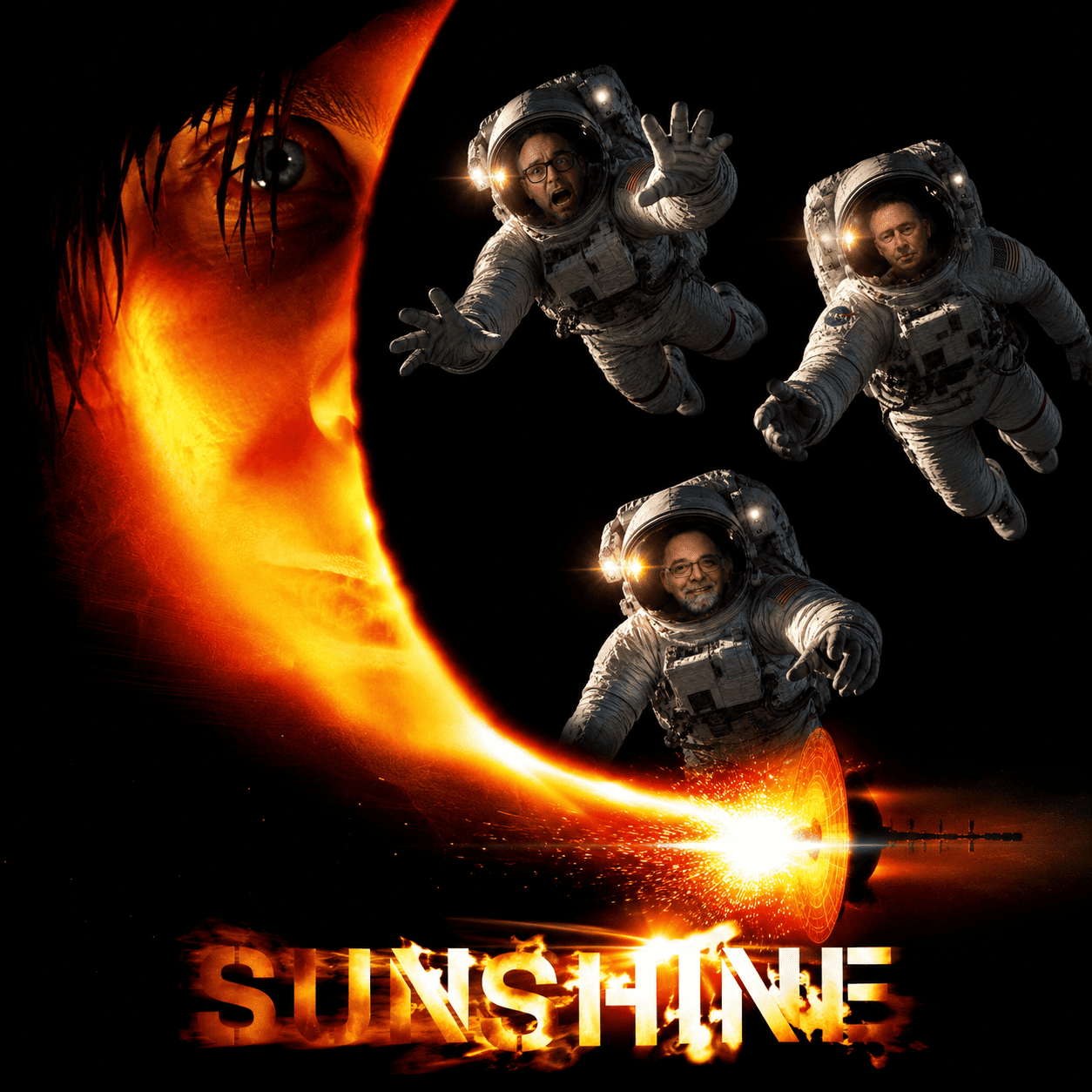
Movie TitleSunshine
Release DateApril 6, 2007 (UK); September 19, 2007 (limited US)
Tagline"If the sun dies, so do we."
Runtime107 min / 1h 47m
DirectorDanny Boyle
ScreenplayAlex Garland
Based OnOriginal screenplay
CinematographerAlwin H. Küchler
Country of OriginUnited Kingdom / USA
Sequel / FranchiseStandalone film
Budget~$40 million
Box Office$3.1M domestic / $32.1M worldwide — the film underperformed commercially but earned significant critical praise and a devoted cult following
Rotten Tomatoes76% Critics / 73% Audience
Metacritic64 / 100 · 7.5 User
IMDb Rating7.2/10
MPAA RatingR — for violent content and language
Content WarningsGraphic violence, body horror, self-immolation imagery, strong language, psychological distress, disturbing death sequences
Where to WatchAvailable for rent/purchase on Prime Video, Apple TV+, Vudu, and other major digital platforms
Main Cast
Cillian MurphyRobert Capa
Rose ByrneCassie
Chris EvansMace
Michelle YeohCorazon
Hiroyuki SanadaKaneda
Mark StrongPinbacker
Cliff CurtisSearle
Troy GarityHarvey
Benedict WongTrey
Chipo ChungVoice of Icarus
Awards
⭐ British Independent Film Awards — Best Technical Achievement — Won — 2007
⭐ Empire Awards — Best Sci-Fi/Fantasy — Nominated — 2008
⭐ Saturn Awards — Best Science Fiction Film — Nominated — 2008
⭐ Saturn Awards — Best Director (Danny Boyle) — Nominated — 2008
⭐ Saturn Awards — Best Actor (Cillian Murphy) — Nominated — 2008
⭐ Evening Standard British Film Awards — Best Film — Nominated — 2008
⭐ Hugo Awards — Best Dramatic Presentation (Long Form) — Nominated — 2008
⭐ Visual Effects Society — Outstanding Supporting Visual Effects — Nominated — 2008
Plot Summary
Set in 2057, the sun is dying and Earth faces an ice age. A crew of eight international astronauts aboard the spacecraft Icarus II carries a massive stellar bomb — the combined mass of Manhattan island converted to energy — on a desperate mission to reignite the sun. They are humanity's second attempt; the first mission, Icarus I, vanished seven years earlier. When the crew detects a distress beacon from the lost Icarus I, they make the fateful decision to alter course and attempt to recover the original bomb, setting off a chain of catastrophic events. As the mission unravels through equipment failures and fatal accidents, the crew's psychological cohesion fractures under the overwhelming proximity of the sun, culminating in a terrifying encounter with the sole surviving crew member of Icarus I — Captain Pinbacker, a man driven to apocalyptic religious madness. Physicist Robert Capa ultimately sacrifices himself to manually trigger the payload and succeed in reigniting the star, saving humanity.
↑ Return to Top
Key Quotes
"Our sun is dying. Mankind faces extinction. Seven years ago the Icarus project sent a mission to restart the sun, but that mission was lost before it reached the star." — Robert Capa (opening narration)
"If I tell you something, do you promise not to tell the others? Staring at the sun so long... I feel the presence of God." — Searle
"I'm not crazy. I'm the only sane one here." — Pinbacker
"At the moment of impact, I will be a part of the sun." — Robert Capa
"We're flying into the sun and you're worried about a garden?" — Mace
"Every day the same. Drink the water. Eat the food. And stare at the sun." — Pinbacker
Trivia
Director
- Danny Boyle and screenwriter Alex Garland had previously collaborated on 28 Days Later (2002); Sunshine was their second genre film together and the last before Garland began directing his own projects.
- Boyle consulted extensively with scientists at CERN and NASA during pre-production, including physicist Brian Cox, who served as the film's scientific advisor and visited the set regularly.
- Boyle wanted the first two acts to feel grounded and realistic — inspired by the Apollo missions and submarine films — while deliberately allowing the third act to shift into a more abstract, horror-influenced register.
- Boyle has cited 2001: A Space Odyssey and Solaris as key inspirations, but also drew from the survival drama of Das Boot when designing the confined Icarus II interiors.
- The director deliberately avoided studio interference by keeping the production within the UK, funded largely through Fox Searchlight and the UK Film Council.
Cast / Casting
- Chris Evans was cast before his career-defining Marvel roles; his performance as the hot-headed Mace surprised audiences accustomed to seeing him in lighter material, and Boyle specifically wanted someone physically imposing to counterbalance Cillian Murphy's more cerebral presence.
- Michelle Yeoh, Hiroyuki Sanada, and Cillian Murphy all underwent intensive scientific briefings so they could portray their characters' specialisations (botanist, captain, and physicist, respectively) with credibility.
- The entire cast was housed together during filming to foster the cramped, dependent camaraderie needed for the ensemble dynamic; they were reportedly not permitted to socialise widely outside of the group.
- Mark Strong's Pinbacker was shot in a heavily desaturated, almost abstract visual style to reflect his deteriorated mental state; Strong wore minimal prosthetics and relied on physical transformation.
- Benedict Wong, who plays Trey, has noted in interviews that the shoot's isolation and the oppressive set design genuinely affected the cast's moods, contributing to the film's authentic sense of cabin fever.
Soundtrack / Score
- The score was composed primarily by John Murphy (a longtime Boyle collaborator) with additional music by Underworld, who also contributed to 28 Days Later and Trainspotting.
- The track "Adagio in D Minor" by John Murphy became one of the most widely licensed pieces of film music in the decade following the film's release, appearing in trailers and other films numerous times.
- Boyle used music from Beethoven and other classical composers as temp tracks during editing to set an epic, cosmic tone, which influenced Murphy's final compositions.
- Underworld's electronic textures are used specifically during scenes involving the computer system Icarus, giving the AI a distinct sonic identity separate from the human crew.
- The score deliberately grows more fragmented and dissonant as the film progresses, mirroring the crew's psychological deterioration and the breakdown of the mission.
Location
- The Icarus II interior sets were built at 3 Mills Studios in London; the design team created a ship that felt genuinely functional, with sliding panels and a modular layout that the crew memorised like a real spacecraft.
- The film's production designer Mark Tildesley drew inspiration from research into real space station architecture, including the ISS, when designing the living quarters and operational areas.
- The oxygen garden set — a lush greenhouse aboard the ship — was one of the most expensive individual sets built for the film and was deliberately designed to feel jarringly alive against the sterile corridors.
- The blinding exterior sequences were filmed using specialised high-intensity lighting rigs that required safety protocols on set; some cast members found extended exposure to the lights disorienting.
- No filming took place in actual space or aboard real spacecraft; all exterior and solar proximity sequences were achieved through VFX, with Boyle and his VFX team working closely to maintain scientific plausibility.
Behind-The-Scenes
- Physicist Brian Cox (then a lecturer at the University of Manchester, before his television fame) worked as scientific consultant and visited the set frequently; he later said the film's science is largely credible, with the key fictional conceit being the nature of the stellar bomb.
- The VFX team developed entirely new rendering techniques to simulate the surface of the sun convincingly, studying actual solar imagery from NASA's SOHO satellite as reference material.
- Boyle kept the third act's shift toward horror deliberately ambiguous in its presentation — he and Garland debated whether Pinbacker should be a supernatural figure or simply a disfigured, sun-mad survivor; the final film intentionally leaves this somewhat open.
- The film's editing was handled by Chris Gill, who used an increasingly fractured, impressionistic cutting style in the final act to reflect Capa's sensory overload, inspired by experimental film.
- Fox Searchlight gave Boyle considerable creative control, reportedly not demanding major changes after test screenings, despite some audience confusion over the third act.
Nostalgia
- Sunshine arrived during a mini-renaissance of serious, hard sci-fi films in the mid-2000s, alongside films like Children of Men (2006) and The Fountain (2006), all of which were largely overlooked commercially but became cult classics.
- For many viewers, Sunshine was the film that introduced them to Cillian Murphy as a leading man; his rise to global fame with Oppenheimer (2023) and Peaky Blinders has driven enormous re-evaluation of his earlier work.
- The film has been repeatedly cited by game developers and filmmakers as a visual and tonal inspiration; its influence can be felt in sci-fi works from Mass Effect to Interstellar.
- The score track "Adagio in D Minor" became so culturally ubiquitous — used in trailers for everything from sci-fi epics to sports documentaries — that it became a kind of shorthand for cinematic gravitas in the late 2000s.
- Alex Garland went on to write and direct Ex Machina (2014), Annihilation (2018), and 28 Years Later (2025); revisiting Sunshine as a key moment in his creative evolution has become a common topic in interviews.
Easter Eggs
- The ship's name "Icarus" is a deliberate reference to the Greek myth of Icarus, who flew too close to the sun and perished — the film explicitly plays this out thematically and narratively.
- The computer AI Icarus is voiced by a female voice (Chipo Chung), a nod to the HAL 9000 tradition in sci-fi of giving spacecraft AIs a calm, measured tone that contrasts with the chaos around them.
- The distress signal from Icarus I — the lost first mission — echoes the plot structure of Aliens (1986), where a second mission investigates the loss of a first, though Boyle has cited this as coincidence rather than homage.
- The oxygen garden's plants include species chosen by the production's botanical consultant for their genuine viability in a controlled spaceship environment, a detail that delighted scientific audiences.
- Pinbacker's deteriorated appearance and religious mania echoes Conrad's Kurtz from Heart of Darkness, a connection Garland has acknowledged; the film's third act shares structural DNA with Apocalypse Now.
Misc.
- Despite earning only $3.1 million in a limited US release, the film grossed $32.1 million worldwide, with particularly strong returns in the UK and Europe, where Boyle's name carried significant prestige.
- The film holds a 76% on Rotten Tomatoes and a 7.2/10 on IMDb; critics widely praised the first two acts while frequently expressing ambivalence about the horror-inflected third act.
- Sunshine is ranked by numerous science fiction publications and critics as one of the best hard sci-fi films of the 2000s, despite its box office underperformance.
- The film was released in the UK more than five months before its US release, which limited its awards season exposure in America and likely contributed to its Oscar shutout.
- Brian Cox has cited Sunshine as one of the most scientifically responsible mainstream sci-fi films ever made, particularly in its treatment of stellar physics, radiation, and spacecraft design.
Soundtrack
Sunshine (Original Soundtrack) John Murphy & Underworld · 21 tracks · 1:13:47
1
Adagio in D Minor
John Murphy
3:39
2
Surface of the Sun
John Murphy
5:40
3
Kaneda's Death (Pt. 1)
John Murphy
2:47
4
Kaneda's Death (Pt. 2)
John Murphy
3:31
5
Capa's Last Transmission
Underworld
7:30
6
Searle Icarus
Underworld
3:23
7
Mercury
Underworld
4:04
8
Havoc
Underworld
3:13
9
Pinbacker
Underworld
3:02
10
Icarus
Underworld
5:14
11
So Much to Do
Underworld
3:56
12
Mace
Underworld
2:43
13
Corazon
Underworld
3:44
14
Trey
Underworld
2:18
15
The Payload
Underworld
4:07
16
Cassie's Dream
Underworld
2:51
17
Oxygen Garden
Underworld
3:26
18
Sunshine
Underworld
4:02
19
Two Thousand Years
Underworld
3:08
20
If I Should Die
Underworld
2:59
21
Capa
Underworld
2:30
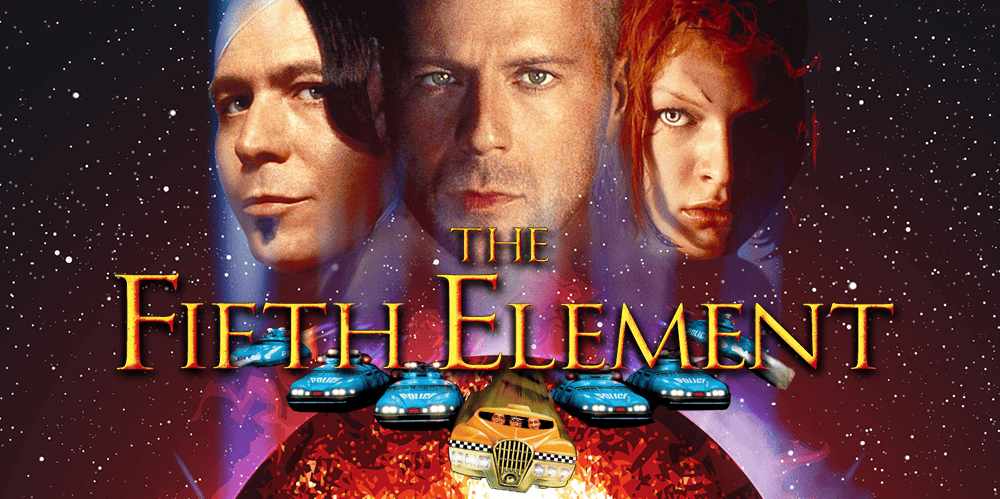
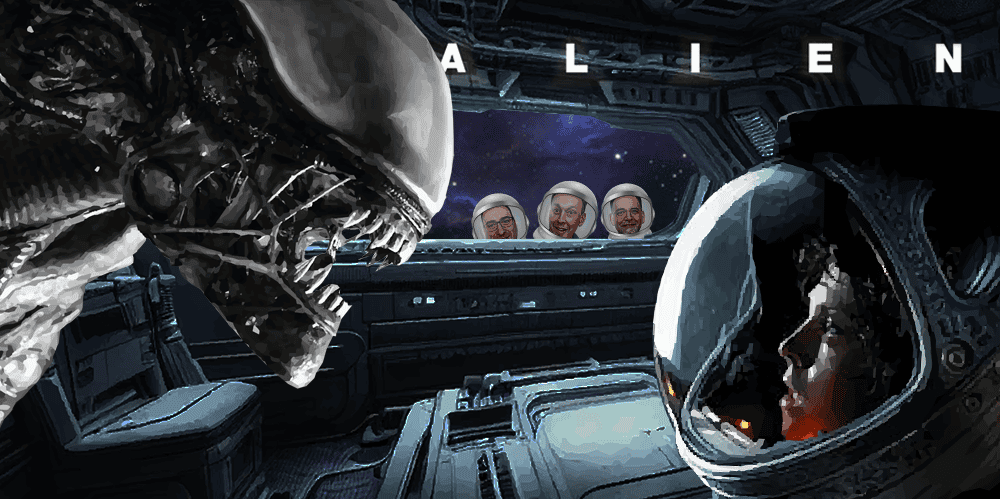
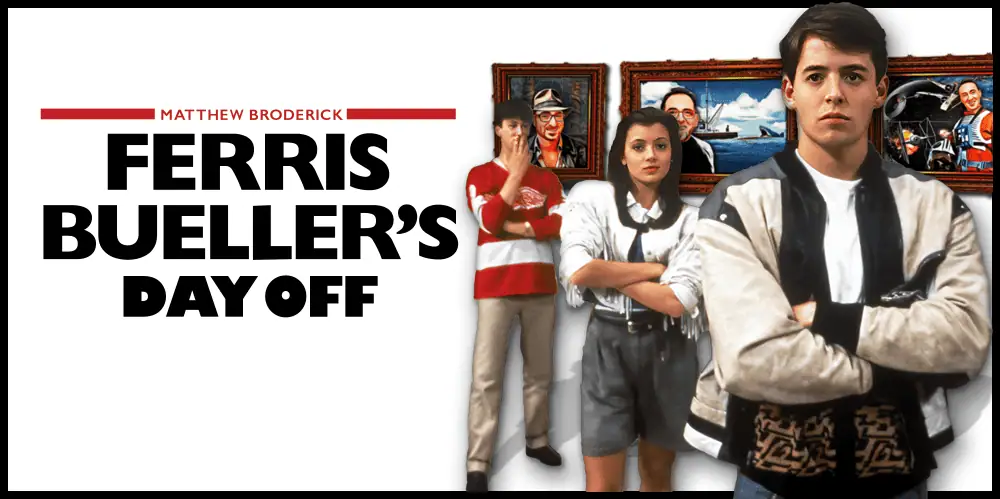
If You Liked This, Watch Next
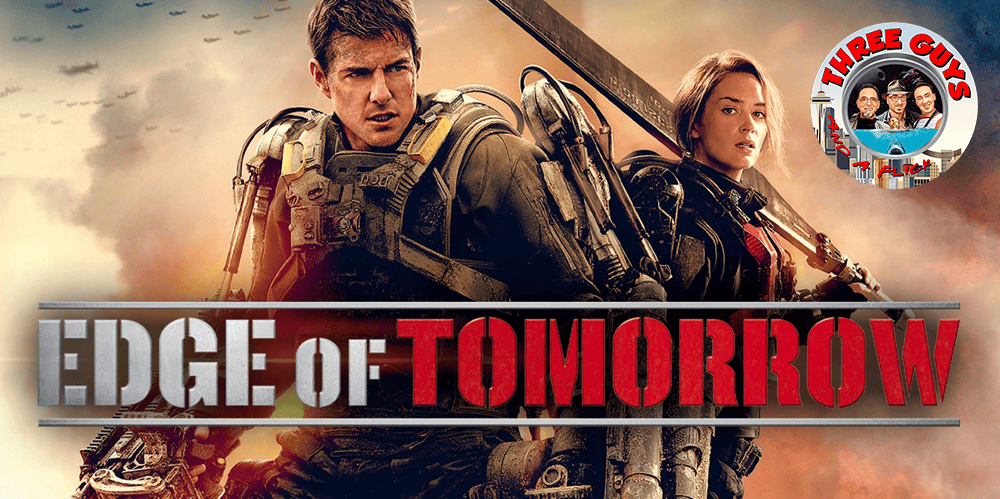
Other movies reviewed by 3 Guys and a Flick that fans of Sunshine tend to love — all rated above 3.5.
↑ Return to Top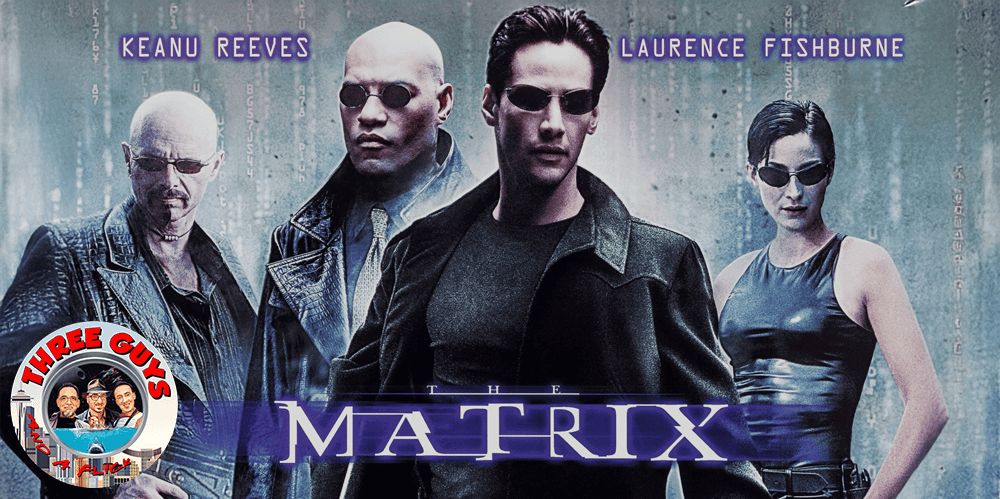
Sources Cited
3 Guys and a Flick - Latest Episode
3 Guys and a Flick - Ratings
IMDb - Sunshine
IMDb - Full Cast & Crew
IMDb - Awards
IMDb - Quotes
IMDb - Taglines
IMDb - Soundtrack
IMDb - Filming Locations
IMDb - Trivia
Box Office Mojo - Sunshine
The Numbers - Sunshine
Rotten Tomatoes - Sunshine
Metacritic - Sunshine
Wikipedia - Sunshine
Show notes generated July 15, 2026. Content reflects information available at time of generation.
↑ Return to Top