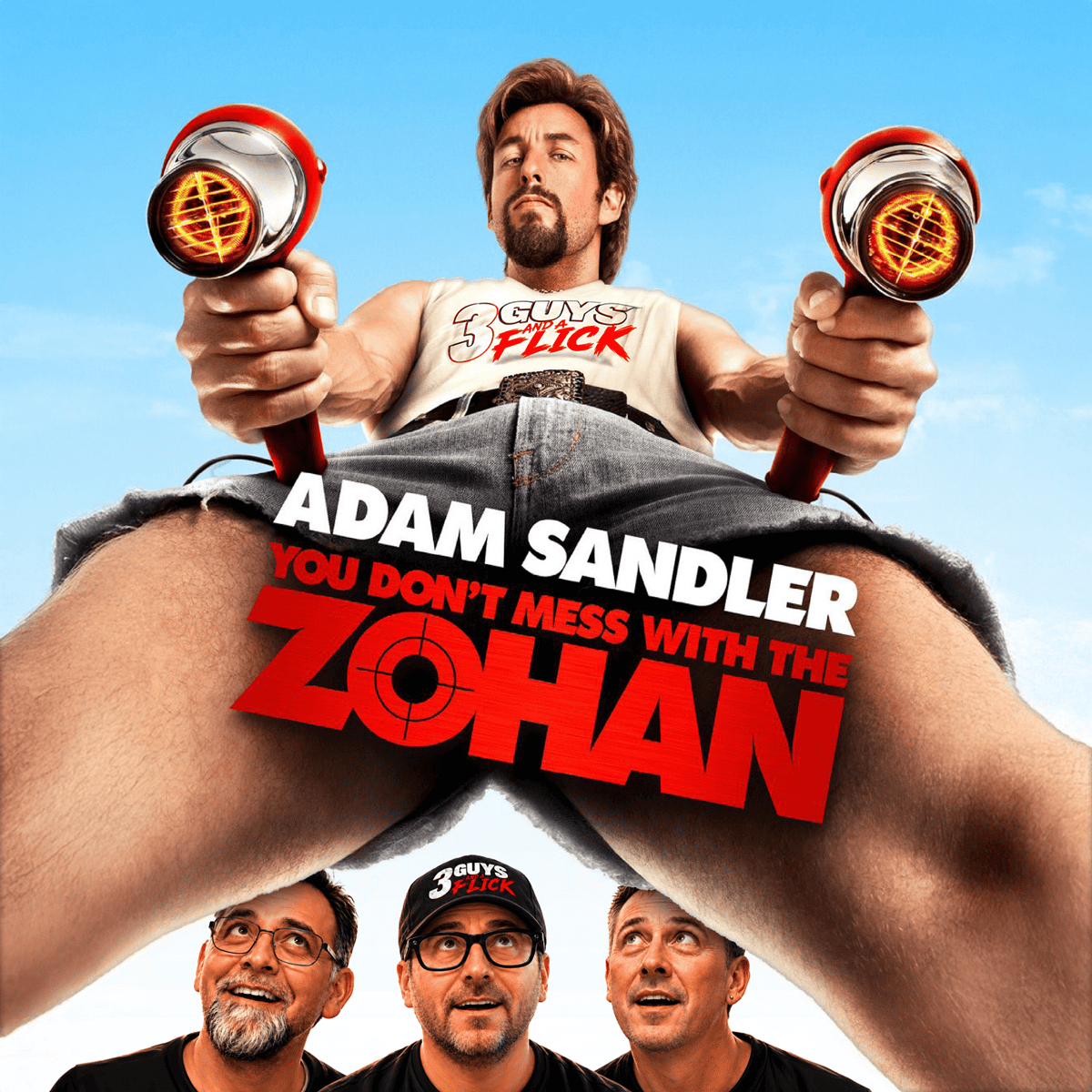
Details
Movie TitleYou Don't Mess with the Zohan
Release DateJune 6, 2008 (United States)
Tagline"His greatest fight will be for the right to be a hairdresser."
Runtime113 min / 1 hr 53 min
DirectorDennis Dugan
ScreenplayAdam Sandler, Robert Smigel, Judd Apatow
Based OnOriginal screenplay
CinematographerMichael Barrett
Country of OriginUnited States
Sequel / FranchiseStandalone film; part of Happy Madison Productions' catalog
Budget~$90 million
Box Office$100.0 million domestic / $201.6 million worldwide — the film modestly recouped its budget globally despite mixed reviews
Rotten Tomatoes36% Critics / 61% Audience
Metacritic44 / 100 · 6.6 User
IMDb Rating5.5/10
MPAA RatingPG-13 — crude and sexual content throughout, language and nudity
Content WarningsFrequent crude sexual humor, comic violence, brief male nudity, strong language, ethnic/cultural stereotyping played for laughs, drug references
Where to WatchAvailable for rent/purchase on major platforms (Amazon Prime Video, Apple TV+, Vudu, Google Play); check local availability
Main Cast
Adam SandlerZohan Dvir
John TurturroFarrakh / "The Phantom"
Emmanuelle ChriquiDalia
Nick SwardsonMichael
Lainie KazanGail
Rob SchneiderSalim
Dave MatthewsWalbridge
Michael BufferHimself
Charlotte RaeMrs. Gorsky
Ido MosseriOori
Sayed BadreyaEgyptian Guy
Kevin NealonGal
Awards
⭐ Razzie Awards — Worst Actor (Adam Sandler) — Nominated — 2009
⭐ Razzie Awards — Worst Screen Couple (Adam Sandler & Any Co-Star) — Nominated — 2009
⭐ MTV Movie Awards — Best Comedic Performance (Adam Sandler) — Nominated — 2009
⭐ Teen Choice Awards — Choice Movie: Comedy — Nominated — 2008
⭐ Teen Choice Awards — Choice Movie Actor: Comedy (Adam Sandler) — Nominated — 2008
⭐ Teen Choice Awards — Choice Movie Actress: Comedy (Emmanuelle Chriqui) — Nominated — 2008
⭐ People's Choice Awards — Favorite Comedy Movie — Nominated — 2009
⭐ Satellite Awards — Outstanding Motion Picture Comedy or Musical — Nominated — 2008
Plot Summary
Zohan Dvir is Israel's greatest Mossad super-agent — a virtually indestructible commando capable of superhuman feats — who secretly yearns to abandon the battlefield and become a hairstylist. After staging his own death during a confrontation with his arch-nemesis, a Palestinian terrorist known as "The Phantom," Zohan stows away to New York City and lands a job shampooing hair at a small Israeli salon in the Washington Heights neighborhood owned by a Palestinian woman named Dalia. Using his incredible dexterity and focus, Zohan quickly becomes the salon's most beloved stylist, lavishing the older female clientele with exceptional haircuts and his own special brand of personal attention. The peace he has found is threatened when The Phantom — now running a struggling electronics shop around the corner — recognizes Zohan and plots revenge, while a shady real estate developer named Walbridge schemes to destroy the multicultural neighborhood by pitting its Arab and Israeli communities against each other. Ultimately, Zohan unites Israelis and Palestinians alike to save their shared community, proving that coexistence is possible when people set aside old hatreds and focus on what they have in common.
↑ Return to Top
Key Quotes
"You don't mess with the Zohan." — Zohan Dvir
"I just want to make people silky smooth." — Zohan Dvir
"He's not a hairdresser. He is Zohan." — Israeli General
"We are all just people who want to live in peace. Why can we not do that?" — Dalia
"The Phantom does not forget. The Phantom does not forgive. The Phantom needs a new battery for his remote." — Farrakh / The Phantom
"Back in Israel, I was the best. Here, I am just… a silky smooth man with a dream." — Zohan Dvir
Trivia
Director
- Dennis Dugan had directed several previous Adam Sandler vehicles including Happy Gilmore (1996), Big Daddy (1999), and I Now Pronounce You Chuck & Larry (2007), making him Sandler's most frequent directorial collaborator at Happy Madison.
- Dugan is himself a former actor, perhaps best known for his TV appearances, and brings an improvisational, performance-friendly approach to set that Sandler's team has credited with keeping the energy loose.
- Dugan later stated in interviews that he found the political satire angle of the script refreshing and unusual for a mainstream Adam Sandler comedy.
- The director worked closely with Sandler to ensure that the physical comedy set pieces — particularly the opening beach fight — were choreographed to feel deliberately over-the-top and superhero-like rather than realistic.
- Dugan and Sandler would go on to collaborate again on Grown Ups (2010) and Jack and Jill (2011) following this film's release.
Cast / Casting
- Adam Sandler spent considerable time researching Israeli culture and the Hebrew language for the role, working with dialect coaches to develop Zohan's distinctive accent.
- John Turturro, who plays the Palestinian villain Farrakh / The Phantom, was cast partly for his ability to play ethnically ambiguous characters and his history of comedic work; he trained in Arabic for the role.
- Emmanuelle Chriqui, who plays Dalia, is herself of Moroccan Jewish heritage, lending an authentic cultural dimension to the cast.
- Mariah Carey, Chris Rock, and George Takei all make uncredited cameo appearances in the film.
- Kevin James was originally considered for a supporting role before scheduling conflicts led to the part going to Nick Swardson.
Soundtrack / Score
- The film features a mix of original score by Rupert Gregson-Williams and licensed music, including contemporary pop and Israeli-flavored tracks designed to underscore Zohan's cultural background.
- Israeli pop songs were deliberately woven into the soundtrack to give the film an authentic cultural texture and to appeal to Israeli audiences, where the film performed strongly.
- The song "Don't Mess with the Zohan" was recorded specifically for the film and plays over key action sequences.
- The soundtrack blends hip-hop, Middle Eastern instrumentation, and classic pop in a way that reflects the multicultural mashup of the film's Washington Heights setting.
- Several cues in the score parody classic action-movie music to underscore Zohan's absurdly superheroic abilities.
Location
- Principal photography took place primarily in Los Angeles, California, with production design used to replicate a New York City neighborhood setting.
- Some exterior sequences were filmed on location in New York City to lend authenticity to the Washington Heights setting depicted in the film.
- The opening beach sequence set in Israel was filmed on location to establish the Mediterranean atmosphere before moving to the studio-heavy New York portion of the film.
- The fictional "Little Haifa" neighborhood depicted in the film is a creative composite of real immigrant enclaves in New York City, particularly Washington Heights.
- Several salon interior scenes were built as elaborate sets at a Los Angeles soundstage to allow for the precise physical comedy choreography required.
Behind-The-Scenes
- The script was co-written by Adam Sandler, Robert Smigel (Saturday Night Live veteran and creator of Triumph the Insult Comic Dog), and Judd Apatow — an unusual comedy writing triumvirate that helped give the film both its absurdist and more grounded comedic sensibilities.
- Sandler has said the idea for Zohan originated from a comedic bit he did with friends in which he imagined an invincible Israeli soldier who just wanted to do hair.
- The film was reportedly screened in advance for representatives of various Arab-American and Jewish-American community groups; the filmmakers made adjustments to some jokes based on that feedback.
- Stunt coordinators designed the opening action sequence to deliberately evoke and parody spy and action movie tropes, with Sandler performing several of his own stunts.
- Production designer Perry Andelin Blake built a meticulous recreation of a New York City street block on a studio lot to allow for controlled filming of the neighborhood community scenes.
Nostalgia
- The film arrived during a golden era of Adam Sandler studio comedies, following hits like Click (2006) and I Now Pronounce You Chuck & Larry (2007), when Sandler was still a reliable summer box office draw.
- For many fans who were teenagers in 2008, Zohan represents a particular brand of late-2000s lowbrow studio comedy that has since become something of a nostalgic curiosity.
- The film's release coincided with a period of heightened public awareness of the Israeli-Palestinian conflict, lending its broad comedic take on the subject an unexpectedly topical edge.
- Sandler's physicality in the film — and the absurdist superhero framing of an Israeli commando — predates the mainstream cultural obsession with superhero movies by just a few years, giving it an interesting retroactive context.
- The Paul Mitchell hair products jokes and fashion references throughout the film serve as a distinct time capsule of mid-2000s American pop culture.
Easter Eggs
- The hummus jokes that recur throughout the film are a nod to Sandler's real-life love of the dish and a running in-joke among the writing team during production.
- The fictional Paul Mitchell salon brand referenced in the film is a wink at real-world professional hairstyling culture, and the brand's products appear prominently as a product placement throughout.
- Several background extras in the New York neighborhood scenes are real members of Israeli-American and Arab-American communities in Los Angeles, cast to add authenticity.
- Zohan's sandals are an ongoing visual motif throughout the film — a reference to the stereotypical image of Israelis wearing sandals (specifically Teva or similar) that is well-known within Israeli culture.
- The cameo by Mariah Carey plays on her real-life diva reputation, with the scene reportedly improvised largely on set.
Misc.
- The film was a modest commercial success, earning over $200 million worldwide against a $90 million budget, though it underperformed relative to some of Sandler's earlier comedies.
- Despite mixed reviews from critics, the film was very well received in Israel, where it was embraced as a loving (if exaggerated) portrait of Israeli cultural identity.
- The ADL (Anti-Defamation League) expressed some concerns about the film's broad stereotyping but ultimately concluded it was intended as affectionate satire rather than malicious caricature.
- The film holds a 5.5/10 on IMDb from over 100,000 user ratings, reflecting a wide gap between critical and popular reception typical of Sandler's comedies.
- Rob Schneider's performance as Salim, an Arab cab driver, drew some criticism for relying on ethnic caricature, a debate that reflects broader conversations about representation in Hollywood comedy.
Soundtrack
You Don't Mess with the Zohan (Music from the Motion Picture) Rupert Gregson-Williams / Various Artists · 18 tracks · N/A
1
Zohan Theme
Rupert Gregson-Williams
2:15
Licensed Songs
1
I'm Too Sexy
Right Said Fred
3:17
2
Saat El Faragh (Leisure Time)
Hakim
4:02
3
Ima
Subliminal & Mook
3:45
4
Ahava Amitit (True Love)
Static & Ben El Tavori
3:58
5
Rock the Casbah
The Clash
3:42
6
Let My People Go-Go
Schlock Rock
3:30
7
Believer
Matisyahu
4:10
8
Banot Zahav (Golden Girls)
Idan Raichel Project
4:22
9
Nas Nas
Eyal Golan
3:55
10
Zohan (Disco Salami)
Blondie featuring Paul Schaffer
3:28
11
Bomba
Eyal Golan
3:48
12
Hava Nagila
Traditional / Various
2:55
—
Additional tracks — full tracklist unverified
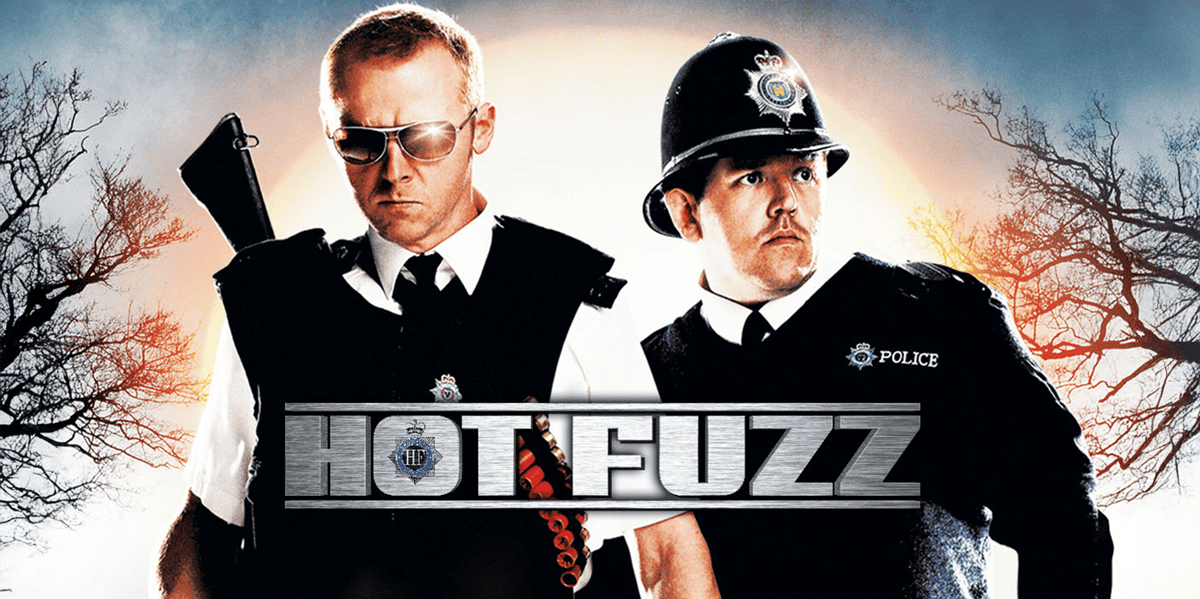
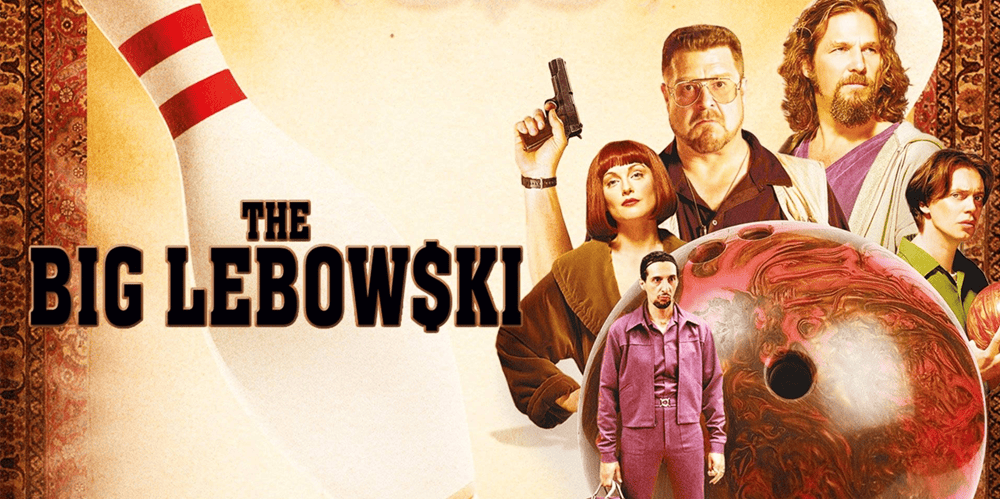
If You Liked This, Watch Next
Other movies reviewed by 3 Guys and a Flick that fans of You Don't Mess with the Zohan tend to love — all rated above 3.5.
↑ Return to Top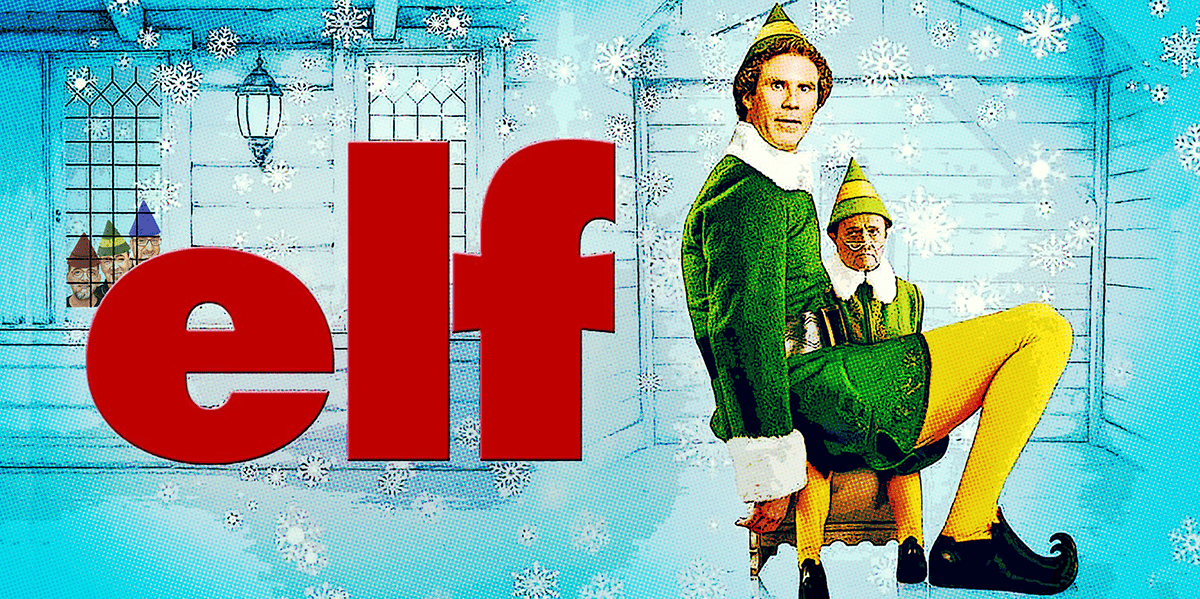
Sources Cited
3 Guys and a Flick - Latest Episode
3 Guys and a Flick - Ratings
IMDb - You Don't Mess with the Zohan
IMDb - Full Cast & Crew
IMDb - Awards
IMDb - Quotes
IMDb - Taglines
IMDb - Soundtrack
IMDb - Filming Locations
IMDb - Trivia
Box Office Mojo - You Don't Mess with the Zohan
The Numbers - You Don't Mess with the Zohan
Rotten Tomatoes - You Don't Mess with the Zohan
Metacritic - You Don't Mess with the Zohan
Wikipedia - You Don't Mess with the Zohan
Show notes generated September 23, 2026. Content reflects information available at time of generation.
↑ Return to Top