Details
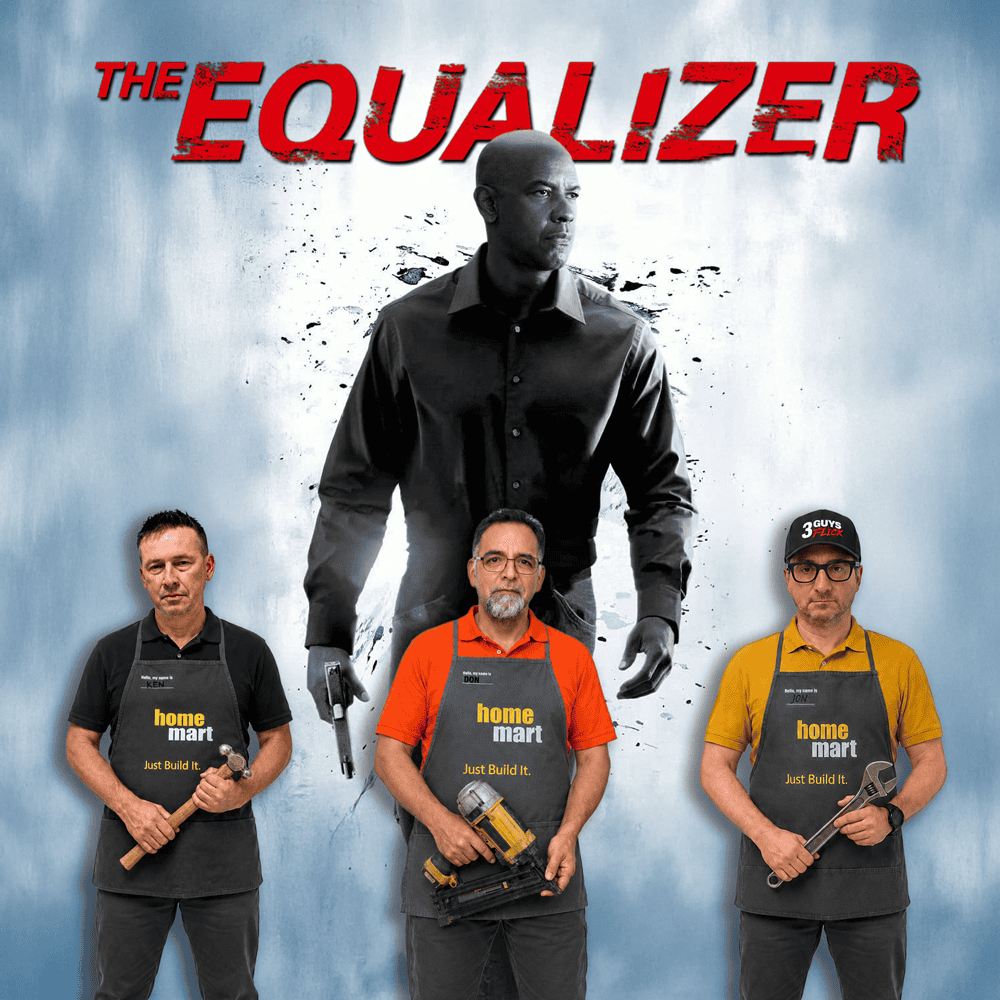
Movie TitleThe Equalizer
Release DateSeptember 26, 2014 (United States wide release)
Tagline"What do you see when you look at me?"
Runtime132 min / 2 hr 12 min
DirectorAntoine Fuqua
ScreenplayRichard Wenk
Based OnThe Equalizer TV series (1985–1989), created by Michael Sloan & Richard Lindheim
CinematographerMauro Fiore
Country of OriginUnited States
Sequel / FranchiseFirst in a trilogy; followed by The Equalizer 2 (2018) and The Equalizer 3 (2023)
Budget~$55 million
Box Office$101.5 million domestic / $192.4 million worldwide — a strong hit that more than tripled its production budget
Rotten Tomatoes62% Critics / 90% Audience
Metacritic50 / 100 · 7.3 User
IMDb Rating7.2/10
MPAA RatingR — for strong bloody violence and language throughout, including some sexual references
Content WarningsGraphic and bloody violence, strong language throughout, depictions of sex trafficking and prostitution, brief sexual references, scenes of torture and intimidation
Where to WatchAvailable for rent/purchase on major platforms (Amazon Prime Video, Apple TV+, Vudu, YouTube Movies); may also stream on Netflix or Peacock depending on region
Main Cast
Denzel WashingtonRobert McCall
Marton CsokasTeddy (Nikolai Itchenko)
Chloë Grace MoretzTeri (Alina)
David HarbourDetective Masters
Bill PullmanBrian Plummer
Melissa LeoSusan Plummer
Haley BennettMandy
Johnny SkourtisRalphie
Alex VeadovSlavi
Vladimir KulichPushkin
James WilcoxFrank Conti
Anastasia MousisElena
Awards
⭐ Black Reel Awards — Outstanding Action Film — Nominated — 2015
⭐ Black Reel Awards — Outstanding Actor (Denzel Washington) — Nominated — 2015
⭐ MTV Movie Awards — Best Fight (Denzel Washington) — Nominated — 2015
⭐ BET Awards — Best Actor (Denzel Washington) — Nominated — 2015
⭐ Saturn Awards (Academy of Science Fiction, Fantasy & Horror Films) — Best Action/Adventure/Thriller Film — Nominated — 2015
⭐ People's Choice Awards — Favorite Action Movie — Nominated — 2015
⭐ Teen Choice Awards — Choice Movie: Action (Chloë Grace Moretz) — Nominated — 2014
⭐ NAACP Image Awards — Outstanding Motion Picture — Nominated — 2015
Plot Summary
Robert McCall (Denzel Washington) is a quiet, methodical man living a spartan life in Boston, working at a Home Depot-style hardware store called HomeMart and spending his sleepless nights reading classic literature at a local diner. He befriends Teri (Chloë Grace Moretz), a young woman trapped in prostitution under the thumb of the Russian mob. When Teri is brutally beaten and hospitalized, McCall's deeply buried past as a government operative resurfaces and he personally confronts her pimp — killing him and four armed associates in a matter of seconds. This act draws the attention of Pushkin, a powerful Russian crime boss, who dispatches his most feared enforcer, the calculating and equally lethal Teddy (Marton Csokas), to identify and eliminate whoever killed his men. As Teddy closes in, McCall refuses to run — instead, he systematically dismantles the local criminal network protecting Pushkin's Boston operations, mentors a security-guard colleague trying to pass his physical fitness exam, and ultimately engineers a nighttime showdown inside HomeMart using the store's own tools and hardware as weapons. The film ends with McCall traveling to Russia to confront Pushkin directly, fully re-embracing his role as a one-man equalizer for those who have nowhere else to turn.
↑ Return to Top
Key Quotes
"You asked for this. Don't you forget that." — Robert McCall
"What do you see when you look at me?" — Robert McCall
"I'm the one they should be afraid of." — Robert McCall
"Can't be what you can't change. Right?" — Robert McCall
"I got sixteen seconds. I only need fourteen." — Robert McCall
"Everyone deserves a chance to be something better." — Robert McCall
Trivia
Director
- Antoine Fuqua and Denzel Washington previously collaborated on Training Day (2001), for which Washington won his second Academy Award for Best Actor — making The Equalizer a much-anticipated reunion of the duo.
- Fuqua was drawn to the project partly because of the original 1980s TV series, which he watched as a teenager, and wanted to update it for a modern, grittier sensibility.
- Fuqua deliberately slowed the film's pacing in the first act to build McCall's character and create contrast with the explosive violence that follows — a technique critics noted was inspired by Leone-style Westerns.
- The director cited classic revenge films like Léon: The Professional and Man on Fire as tonal influences on the project.
- Fuqua went on to direct The Equalizer 2 (2018) and The Equalizer 3 (2023), making it the only franchise in which he directed all three entries.
Cast / Casting
- Denzel Washington reportedly pursued the role actively after reading Richard Wenk's script, seeing McCall as a kind of modern superhero without a cape — a sentiment he expressed in several press interviews.
- Chloë Grace Moretz was 16 years old during filming and had previously played the ultra-violent Hit-Girl in Kick-Ass (2010), giving her action-adjacent experience that informed her portrayal of Teri.
- Marton Csokas (Teddy) is a New Zealand actor who prepared extensively for the role, studying Russian language and movement to give the villain a distinct physical presence. He and Washington never appear on screen together in the film's climax.
- David Harbour, who plays the corrupt Detective Masters, was still years away from his breakout role as Chief Hopper in Stranger Things (2016), and The Equalizer remains one of his more notable pre-fame film appearances.
- Bill Pullman and Melissa Leo play McCall's former intelligence contacts — their scenes were brief but pivotal in establishing McCall's shadowy government past.
Soundtrack / Score
- The score was composed by Harry Gregson-Williams, a British composer known for his work on the Metal Gear Solid video game series and films like Man on Fire, Kingdom of Heaven, and The Martian.
- Gregson-Williams used a blend of electronic textures and orchestral elements to mirror McCall's dual nature — calm and methodical on the surface, explosive underneath.
- The song "Baba O'Riley" by The Who is used memorably in the HomeMart climax sequence, amplifying the sequence's almost operatic quality.
- Eminem's "Guts Over Fear" featuring Sia was released as a promotional single tied to the film and appeared on the film's soundtrack album.
- The soundtrack album was released by Columbia Records in September 2014 alongside the film's theatrical release.
Location
- Principal photography took place in and around Boston, Massachusetts, with the city's working-class neighborhoods serving as the backdrop for McCall's day-to-day life.
- The hardware store sequences — including the film's climactic battle — were filmed at a specially constructed set built inside a warehouse in the Boston area, as no actual Home Depot-style store could accommodate the complex rigging and pyrotechnics required.
- Some scenes were filmed in the Chelsea and East Boston neighborhoods, which provided the gritty, urban texture the production was seeking.
- The diner where McCall reads at night was a recurring set piece built for the film, with its warm, retro lighting designed to contrast with the cold world outside.
- The Russia-set finale was partially filmed on location in Europe and partially on studio sets to achieve the required production scale.
Behind-The-Scenes
- Washington reportedly did many of his own fight choreography preparations, working extensively with stunt coordinators to develop McCall's unique, measured fighting style — which emphasizes efficiency and the use of everyday objects as weapons.
- The film's iconic opening-sequence fight, in which McCall kills five armed men in under 16 seconds, was meticulously storyboarded and choreographed over several weeks before filming began.
- Cinematographer Mauro Fiore (Avatar) used desaturated color palettes in Boston to emphasize the grey reality of McCall's world, then shifted to warmer tones in flashback and memory sequences.
- The production team researched actual Russian organized crime operations to lend authenticity to the antagonists' hierarchy and methods.
- Richard Wenk's screenplay went through multiple drafts over several years before Washington and Fuqua came aboard and the project was greenlit at Columbia Pictures/Sony.
Nostalgia
- The original The Equalizer TV series (CBS, 1985–1989) starred Edward Woodward as Robert McCall, a retired British intelligence agent who advertised in newspapers offering to help people in need — the film updates this concept for a contemporary American setting.
- Fans of the original show appreciated that the 2014 film retained the core concept of McCall as a selfless, morally driven vigilante rather than a mercenary or antihero.
- The McCall character's habit of precisely timing tasks and interactions is a new addition to the film version, reflecting his OCD-like need for control as a coping mechanism.
- The film arrived during a period of intense nostalgia for 1980s action properties, alongside remakes and reboots of RoboCop, The A-Team, and other classic franchises.
- Robert McCall's reading list in the film — including Hemingway's The Old Man and the Sea and Don Quixote — was curated to reflect his introspective character and desire to finish things he started before his "death."
Easter Eggs
- The book McCall is seen reading at the diner when he meets Teri is The Old Man and the Sea by Ernest Hemingway — a novel about a solitary man engaged in an epic personal struggle, directly paralleling McCall's own story.
- McCall's list of "100 books to read before you die" is a subtle nod to a promise he made to his deceased wife — the books serve as a quiet through-line of grief and memory throughout the film.
- The HomeMart store is a thinly veiled stand-in for Home Depot; the company reportedly declined to allow their brand to appear in a film featuring graphic violence, leading the production to create a fictional substitute.
- When McCall times himself during the opening bar fight, the digital watch readout is a visual callback to the stopwatch used by Robert McCall in the original TV series to time his operations.
- The chess set in McCall's apartment is a recurring motif, reflecting his methodical, strategic mind — he is always several moves ahead of his opponents.
Misc.
- The Equalizer grossed $34.1 million in its opening weekend in North America, debuting at number one at the box office and marking one of Denzel Washington's biggest opening weekends at the time.
- The film holds a 90% audience score on Rotten Tomatoes despite a mixed critical reception of 62%, highlighting its strong word-of-mouth and mainstream appeal.
- The sequel, The Equalizer 2 (2018), became notable as the first sequel Denzel Washington had ever made in his 40-year career — a fact he acknowledged publicly during the film's promotion.
- The Equalizer 3 (2023), set in Italy, was announced as Washington's final appearance in the role, making the trilogy one of the more complete action franchises of recent Hollywood history.
- A TV spin-off series, also titled The Equalizer, premiered on CBS in 2021 starring Queen Latifah as a new iteration of the McCall character, demonstrating the enduring appeal of the franchise concept.
Soundtrack
The Equalizer (Original Motion Picture Soundtrack) Harry Gregson-Williams · 24 tracks · 1:14:32
1
McCall's World
Harry Gregson-Williams
2:51
2
Home
Harry Gregson-Williams
3:12
3
Teri
Harry Gregson-Williams
2:44
4
The Offer
Harry Gregson-Williams
3:28
5
14 Seconds
Harry Gregson-Williams
4:05
6
Pushkin
Harry Gregson-Williams
3:17
7
Alina
Harry Gregson-Williams
2:58
8
Ralphie
Harry Gregson-Williams
2:33
9
Teddy
Harry Gregson-Williams
3:44
10
The Wharf
Harry Gregson-Williams
2:19
11
Nicolai
Harry Gregson-Williams
3:06
12
Masters
Harry Gregson-Williams
2:47
13
Susan's Story
Harry Gregson-Williams
3:21
14
Home Depot
Harry Gregson-Williams
4:02
15
Vigilante
Harry Gregson-Williams
3:55
16
Moscow
Harry Gregson-Williams
3:08
17
The General
Harry Gregson-Williams
2:52
18
Brighton Beach
Harry Gregson-Williams
3:33
19
Proven
Harry Gregson-Williams
2:14
20
The Hardware Store
Harry Gregson-Williams
5:18
21
The Denouement
Harry Gregson-Williams
3:47
22
A New Life
Harry Gregson-Williams
3:02
23
End Credits
Harry Gregson-Williams
4:26
24
The Equalizer (Main Theme)
Harry Gregson-Williams
2:50
—
Additional tracks — full tracklist unverified
If You Liked This, Watch Next
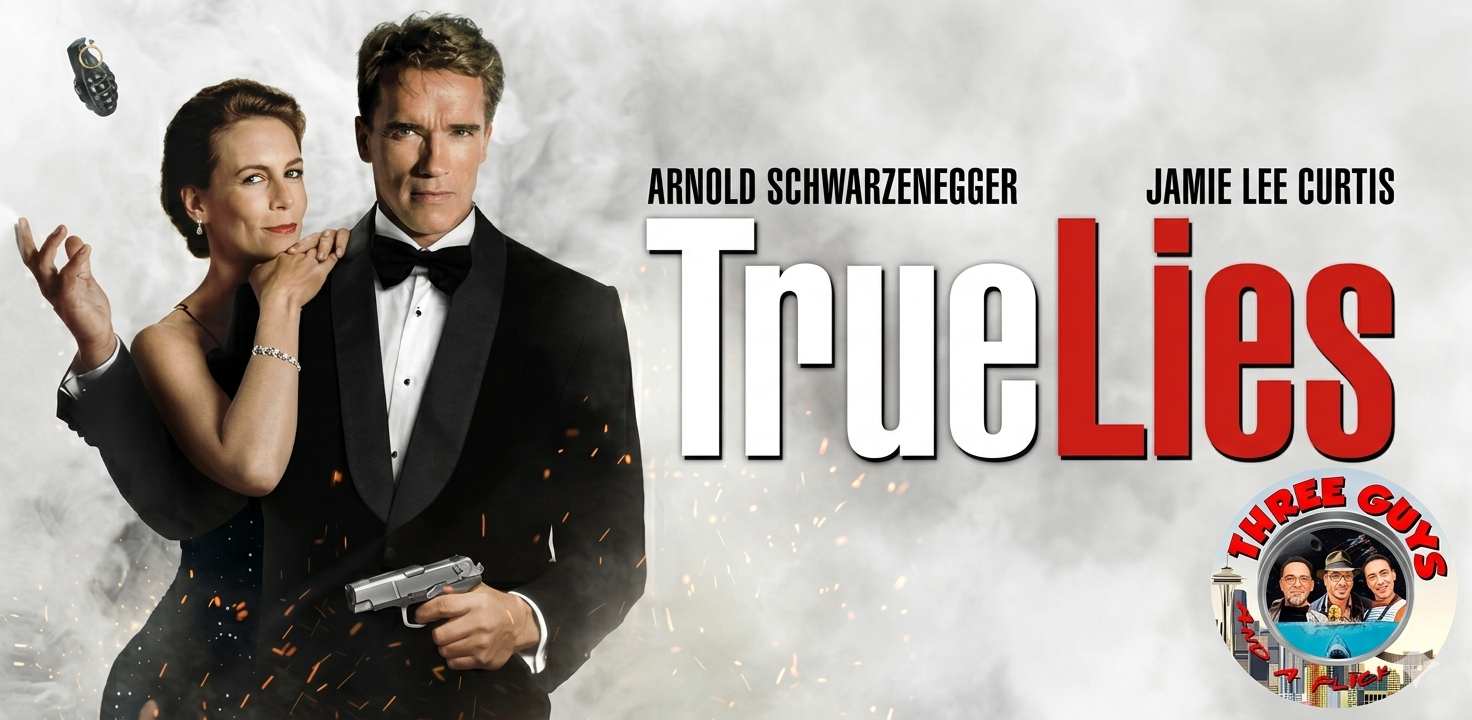
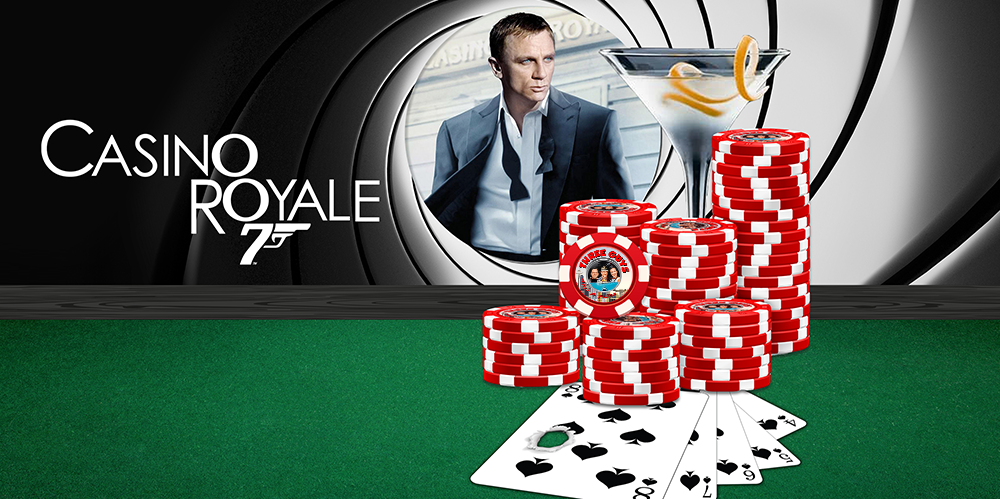
Other movies reviewed by 3 Guys and a Flick that fans of The Equalizer tend to love — all rated above 3.5.
↑ Return to Top
Sources Cited
3 Guys and a Flick - Latest Episode
3 Guys and a Flick - Ratings
IMDb - The Equalizer
IMDb - Full Cast & Crew
IMDb - Awards
IMDb - Quotes
IMDb - Taglines
IMDb - Soundtrack
IMDb - Filming Locations
IMDb - Trivia
Box Office Mojo - The Equalizer
The Numbers - The Equalizer
Rotten Tomatoes - The Equalizer
Metacritic - The Equalizer
Wikipedia - The Equalizer
Show notes generated August 12, 2026. Content reflects information available at time of generation.
↑ Return to Top