Details
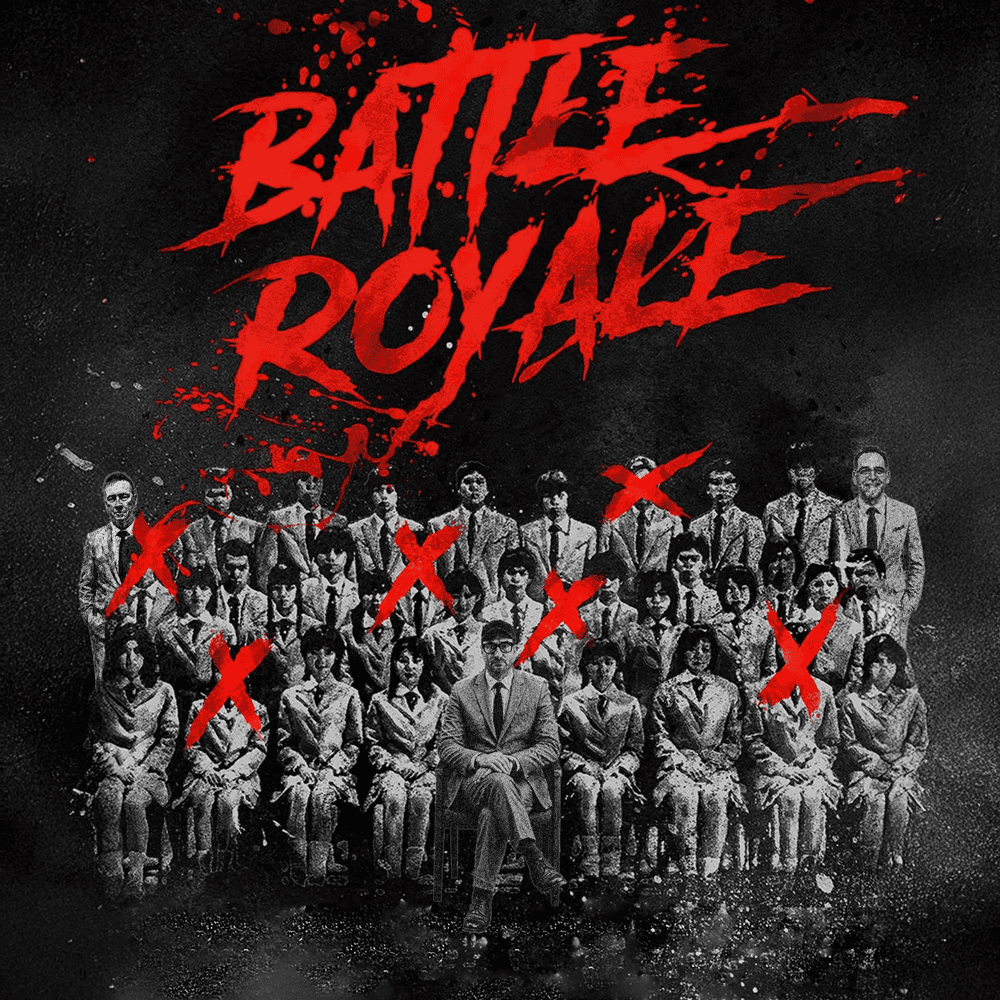
Movie TitleBattle Royale (バトル・ロワイアル)
Release DateDecember 16, 2000 (Japan); limited US release December 2011
Tagline"Could you kill your best friend?"
Runtime114 min / 1h 54m (Director's Cut: 122 min)
DirectorKinji Fukasaku
ScreenplayKenta Fukasaku
Based OnThe 1999 novel Battle Royale by Koushun Takami
CinematographerKatsumi Yanagijima
Country of OriginJapan
Sequel / FranchiseFollowed by Battle Royale II: Requiem (2003), directed by Kenta Fukasaku after Kinji Fukasaku died during production
BudgetApprox. ¥4.5 billion (~$45 million USD)
Box Office¥3.1 billion (~$31 million) Japan domestic / ~$3.8 million worldwide theatrical — a massive domestic hit but largely unreleased internationally for years due to controversy
Rotten Tomatoes90% Critics / 94% Audience
Metacritic81 / 100 · 8.4 User
IMDb Rating7.6/10
MPAA RatingNot Rated (Unrated) — the film was never submitted for MPAA rating; equivalent content would likely receive NC-17 for strong bloody violence throughout involving minors
Content WarningsExtreme graphic violence including children killing children, blood and gore, suicide, sexual content, strong language, brief nudity, child endangerment themes, traumatic death of minors
Where to WatchAvailable for rent/purchase on Amazon Prime Video, Apple TV+, Vudu, and Google Play; occasionally streams on The Criterion Channel (Criterion released the Blu-ray)
Main Cast
Takeshi KitanoKitano, the Teacher
Tatsuya FujiwaraShuya Nanahara
Aki MaedaNoriko Nakagawa
Tarō YamamotoShogo Kawada
Masanobu AndōKazuo Kiriyama
Kou ShibasakiMitsuko Souma
Chiaki KuriyamaChigusa Takako
Sosuke TakaokaHiroki Sugimura
Yukihiro KotaniShinji Mimura
Sayaka KamiyaYukie Utsumi
Takayo MimuraYuko Sakaki
Hirohito HondaKyoichi Motobuchi
Awards
⭐ Japan Academy Prize — Outstanding Foreign Language Film — Won — 2001
⭐ Japan Academy Prize — Best Director (Kinji Fukasaku) — Nominated — 2001
⭐ Japan Academy Prize — Best Actor (Takeshi Kitano) — Nominated — 2001
⭐ Japan Academy Prize — Best Cinematography (Katsumi Yanagijima) — Nominated — 2001
⭐ Blue Ribbon Awards — Best Supporting Actress (Kou Shibasaki) — Won — 2001
⭐ Mainichi Film Concours — Best Score (Masamichi Amano) — Won — 2001
⭐ Sitges Film Festival — Best Film (Fantàstic) — Won — 2001
⭐ Fantasporto — International Fantasy Film Award, Best Film — Won — 2001
Plot Summary
In a near-future Japan wracked by economic collapse and rampant youth delinquency, the government passes the Battle Royale Act — a law mandating that one randomly selected junior high school class per year be taken to a remote island and forced to fight to the death until only one student remains. Class 3-B of Shiroiwa Junior High is gassed on a school bus, transported to an isolated island, and awakened with explosive collars fitted around their necks. Their former teacher, the detached and wounded Kitano, calmly explains the rules via an instructional video: they have three days, forbidden zones shrink to ensure action, and anyone who refuses to participate will have their collar detonated. Armed with random weapons ranging from Uzis to pot lids, the 42 classmates — friends, rivals, lovers — must navigate their own moral crises while competing killers like the cold-blooded Kiriyama and the vengeful Mitsuko cut through the competition without hesitation. Protagonist Shuya Nanahara refuses to kill, fighting instead to protect orphan classmate Noriko and reluctantly allying with the enigmatic transfer student Kawada, who may hold the secret to surviving the game entirely. The film climaxes in a brutal showdown at the island's military compound, culminating in a confrontation between the surviving students and Kitano himself that reframes the entire exercise as a twisted act of adult resentment toward youth.
↑ Return to Top
Key Quotes
"Life is a game. So fight for survival and see if you're worth it." — Kitano
"You just have to fight for yourself and trust that someone will fight for you." — Shuya Nanahara
"I just didn't want to be a loser anymore." — Mitsuko Souma
"Everyone is alone. Everyone is empty." — Kitano
"This country is rotten to the core. But we must survive." — Shogo Kawada
"Dear Kitano-sensei... I'm glad it was you." — Noriko Nakagawa (letter read by Kitano)
Trivia
Director
- Kinji Fukasaku was 70 years old when he directed the film, making it one of the most audacious late-career works in cinema history.
- Fukasaku cited his own wartime childhood experiences in Japan — being forced to carry classmates' corpses during WWII — as direct inspiration for the film's themes of adults forcing young people to kill each other.
- Fukasaku began production on Battle Royale II: Requiem but died of prostate cancer in January 2003 after directing only one scene; his son Kenta Fukasaku completed the sequel.
- Fukasaku described the film as being about the fundamental disconnect between generations — adults who cannot communicate with youth resorting to violence as a final act of desperation.
- The director was so passionate about the project that he personally lobbied for the film's financing and creative control, insisting on casting actual teenagers rather than older actors playing young characters.
Cast / Casting
- Takeshi Kitano (who plays teacher Kitano) is himself one of Japan's most celebrated directors — known internationally for films like Hana-bi — and his casting was considered a major coup.
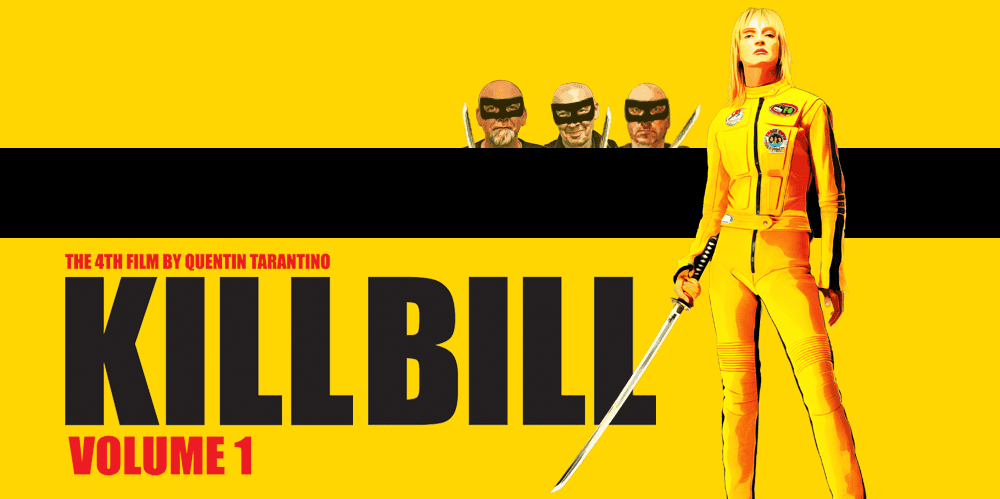
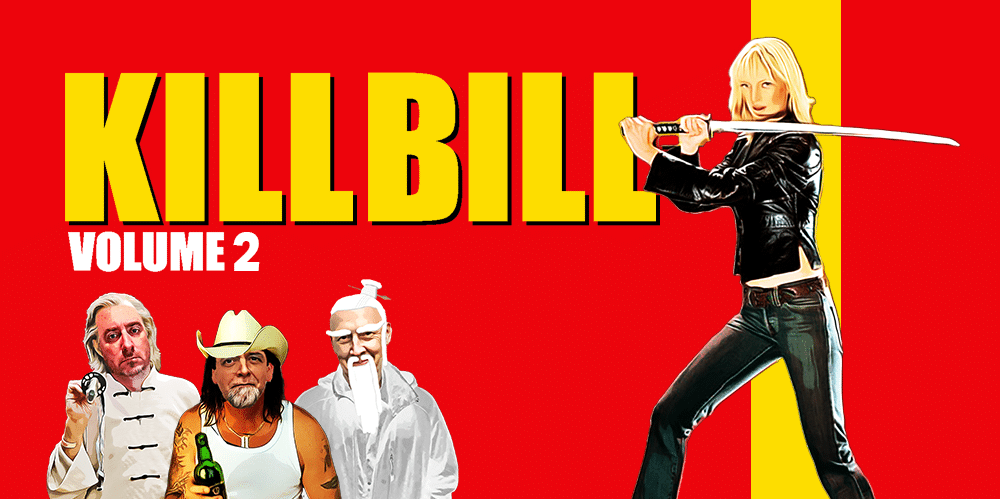
- Chiaki Kuriyama, who plays the sickle-wielding Chigusa, was subsequently cast by Quentin Tarantino as the deadly Gogo Yubari in Kill Bill: Volume 1 (2003), largely based on her performance here.
- Tarō Yamamoto, who plays Kawada, later became a member of the Japanese House of Councillors (upper house of parliament) and an anti-nuclear activist politician.
- Tatsuya Fujiwara and Aki Maeda, who play Shuya and Noriko, were both in their mid-teens during filming and went on to significant careers in Japanese film and television.
- The 42 students in the film were played by actual teenagers recruited from acting schools across Japan, many of whom had little or no prior screen experience.
Soundtrack / Score
- The film's score was composed by Masamichi Amano and performed by the Warsaw Philharmonic Orchestra, giving the carnage an unexpectedly grand, classical feel.
- Amano's score prominently features an adaptation of Verdi's Requiem — particularly the "Dies Irae" — which plays during some of the most violent scenes, creating a jarring and darkly ironic effect.
- The decision to use classical orchestral music over teen-on-teen violence was a deliberate artistic choice by Fukasaku to elevate the film beyond exploitation and into the realm of tragedy.
- The score won the Mainichi Film Concours Award for Best Score in 2001.
- The combination of Beethoven's 9th Symphony and Verdi throughout the film drew comparisons to Stanley Kubrick's use of classical music in A Clockwork Orange.
Location
- Principal photography took place on Oshima Island in Hiroshima Prefecture, Japan — a real, inhabited island whose forested terrain and coastline provided the film's iconic landscape.
- The abandoned school building seen in the film was a real decommissioned school on the island, adding authenticity to the institutional horror of the setting.
- Production designer Kyoko Heya had to work around the island's civilian population and environmental restrictions to create the look of a militarized kill zone.
- Some interior scenes, including the classroom briefing sequence, were filmed on constructed sets in Tokyo studio facilities.
Behind-The-Scenes
- The film was so controversial that several members of the Japanese parliament called for it to be banned before it even released, citing its depictions of minors killing each other.
- Despite the controversy — or perhaps because of it — the film became a massive box office hit in Japan, selling over 1.1 million tickets in its opening week.
- Toei Company, the distributor, initially struggled to find theaters willing to show the film due to political pressure; some chains refused to screen it.
- The Director's Cut (released 2001) adds approximately eight minutes of new footage, including additional backstory scenes that flesh out individual students' motivations.
- Quentin Tarantino called the film "one of my favorite movies" and lobbied personally for it to receive US distribution, which it did not receive until 2012 via Anchor Bay.
Nostalgia
- The film is widely credited as a major influence on The Hunger Games franchise (novel 2008, film 2012); author Suzanne Collins has stated she was unaware of Battle Royale when writing her books, though many fans remain skeptical.
- The film inspired a wave of "battle royale" survival game narratives in manga, anime, video games (including the genre-defining game Fortnite), and global pop culture.
- The term "Battle Royale" has since become a genre descriptor, with the video game genre named directly after the film.
- In Japan, the film's cultural footprint was immediate — it sparked a national debate about youth violence, adult authority, and the pressures placed on Japanese schoolchildren.
- Criterion Collection released a definitive Blu-ray edition in 2017, cementing the film's status as a canonical work of world cinema.
Easter Eggs
- Kitano's painting of Noriko, revealed near the film's end, is interpreted by many viewers as confirming his paternal obsession with her — a haunting inversion of the teacher-student relationship.
- The numbered collars worn by the students correspond directly to their class roster order from the original novel, a detail that fans of the source material catch immediately.
- In the Director's Cut, a brief dream sequence features Shuya's dead father, whose suicide is presented as a parallel to the societal abandonment of children that the BR Act represents.
- The film's opening "smiling winner" footage — presented as a cheerful news broadcast — is shot in a deliberately jarring, overly bright style meant to mimic the banality of Japanese television news.
Misc.
- The novel by Koushun Takami was originally rejected by publishers as too violent before eventually winning the Japan Horror Novel Award in 1999 and becoming a bestseller.
- A manga adaptation drawn by Masayuki Taguchi ran from 2000 to 2005 and is considered even more graphic than both the novel and the film.
- The film was never officially released in the United States until 2012 — over a decade after its Japanese premiere — largely due to distributors fearing controversy in the wake of US school shootings.
- IMDb lists the film's budget as approximately ¥4.5 billion, though some sources estimate it lower; it was among the more expensive Japanese productions of its era.
- Despite its extreme content, the film carries no MPAA rating in the US; it was released in Japan with a PG-12 equivalent rating after cuts — a rating that itself generated enormous public outrage.
Soundtrack
Battle Royale Original Soundtrack Masamichi Amano · 21 tracks · 52:47
1
Requiem
Masamichi Amano / Tokyo Philharmonic Orchestra
3:42
2
Die Moldau (Vltava)
Bedřich Smetana / Tokyo Philharmonic Orchestra
2:31
3
Battle Royale
Masamichi Amano / Tokyo Philharmonic Orchestra
2:18
4
Fate
Masamichi Amano / Tokyo Philharmonic Orchestra
1:58
5
Clair de Lune
Claude Debussy / Tokyo Philharmonic Orchestra
4:49
6
Solitude
Masamichi Amano / Tokyo Philharmonic Orchestra
2:05
7
Bolero
Maurice Ravel / Tokyo Philharmonic Orchestra
3:27
8
Sorrow
Masamichi Amano / Tokyo Philharmonic Orchestra
1:44
9
Waltz No. 7 in C-sharp minor
Frédéric Chopin / Tokyo Philharmonic Orchestra
2:14
10
Panic
Masamichi Amano / Tokyo Philharmonic Orchestra
1:52
11
Ave Maria
Franz Schubert / Tokyo Philharmonic Orchestra
3:38
12
Anger
Masamichi Amano / Tokyo Philharmonic Orchestra
2:02
13
Tragic
Masamichi Amano / Tokyo Philharmonic Orchestra
2:17
14
Kyrie (Requiem in D minor)
Wolfgang Amadeus Mozart / Tokyo Philharmonic Orchestra
3:14
15
Despair
Masamichi Amano / Tokyo Philharmonic Orchestra
1:55
16
String Quartet No. 8 in C minor (2nd movement)
Dmitri Shostakovich / Tokyo Philharmonic Orchestra
3:52
17
Hope
Masamichi Amano / Tokyo Philharmonic Orchestra
2:08
18
Lacrimosa (Requiem in D minor)
Wolfgang Amadeus Mozart / Tokyo Philharmonic Orchestra
3:31
19
Survival
Masamichi Amano / Tokyo Philharmonic Orchestra
2:24
20
Glory
Masamichi Amano / Tokyo Philharmonic Orchestra
2:06
21
Requiem (Reprise)
Masamichi Amano / Tokyo Philharmonic Orchestra
3:00
If You Liked This, Watch Next
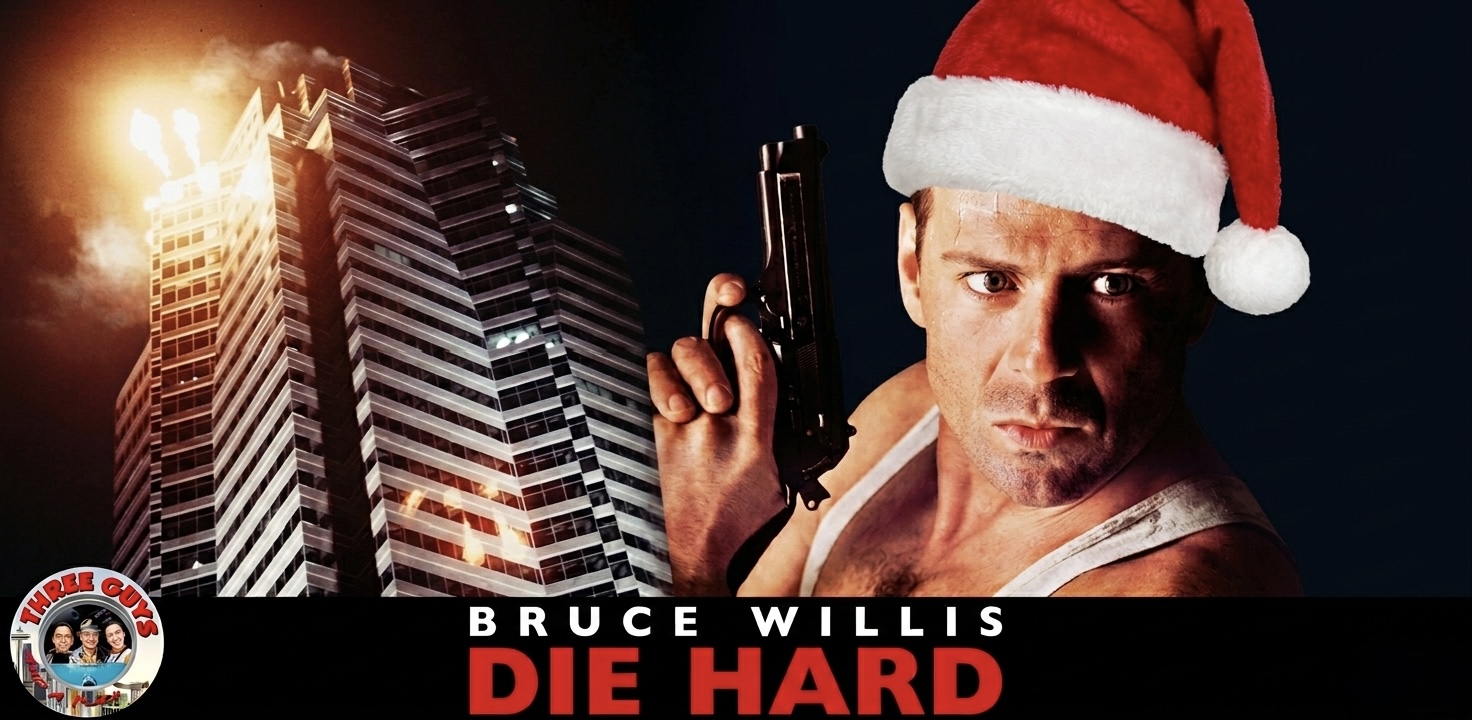
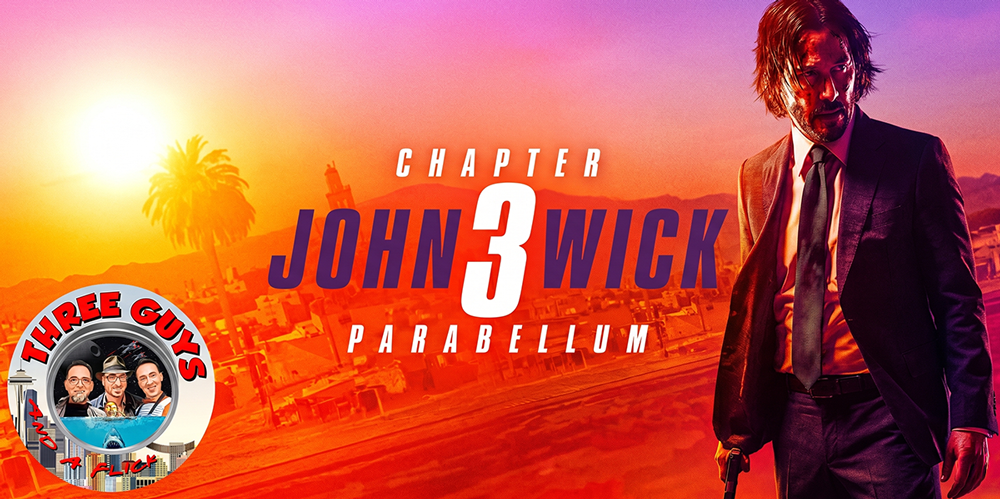
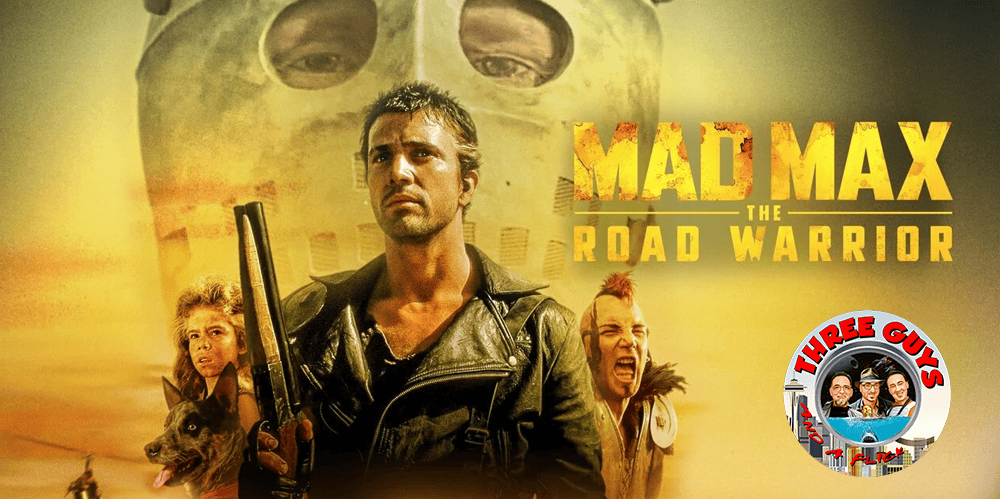
Other movies reviewed by 3 Guys and a Flick that fans of Battle Royale tend to love — all rated above 3.5.
Sources Cited
3 Guys and a Flick - Latest Episode
3 Guys and a Flick - Ratings
IMDb - Battle Royale
IMDb - Full Cast & Crew
IMDb - Awards
IMDb - Quotes
IMDb - Taglines
IMDb - Soundtrack
IMDb - Filming Locations
IMDb - Trivia
Box Office Mojo - Battle Royale
The Numbers - Battle Royale
Rotten Tomatoes - Battle Royale
Metacritic - Battle Royale
Wikipedia - Battle Royale
Show notes generated August 19, 2026. Content reflects information available at time of generation.
↑ Return to Top