Details
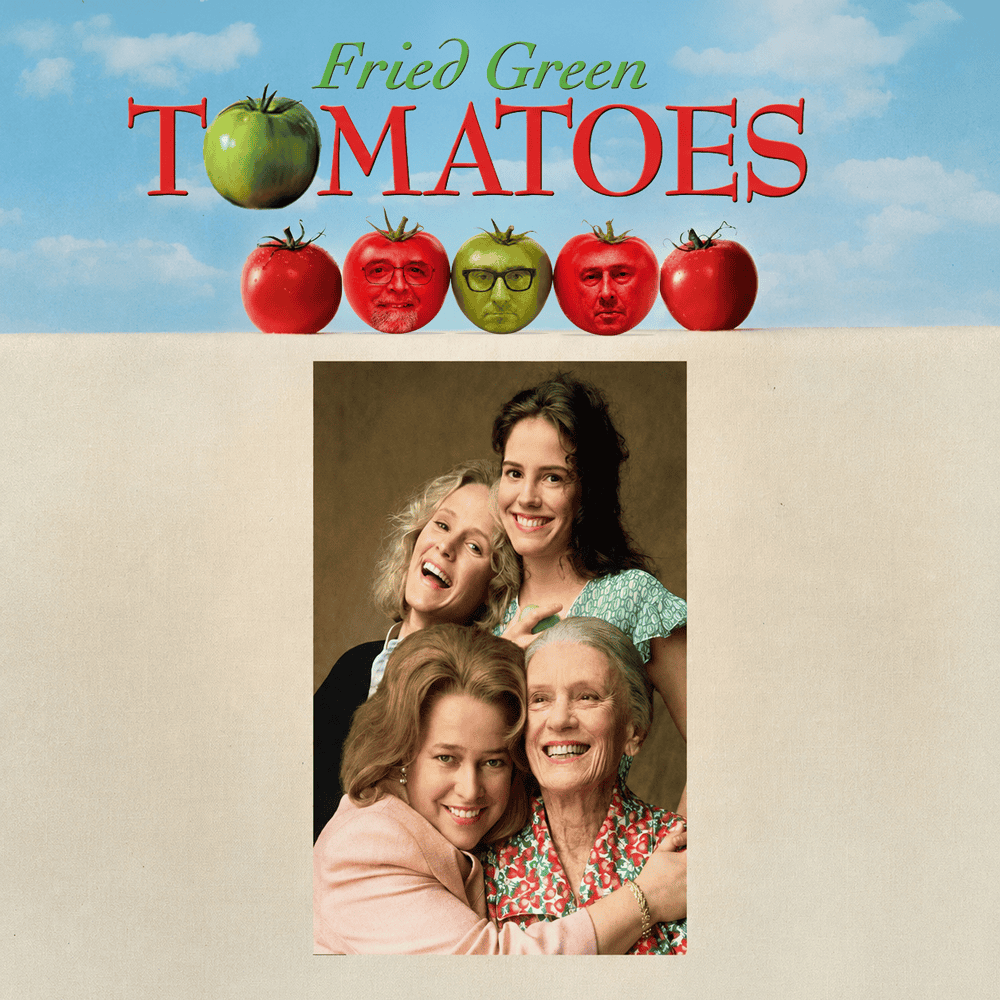
Movie TitleFried Green Tomatoes
Release DateDecember 27, 1991 (limited); January 10, 1992 (wide US release)
Tagline"The secret's in the sauce."
Runtime130 min / 2h 10m
DirectorJon Avnet
ScreenplayFannie Flagg & Carol Sobieski
Based OnFried Green Tomatoes at the Whistle Stop Cafe (1987 novel) by Fannie Flagg
CinematographerGeoffrey Simpson
Country of OriginUnited States
Sequel / FranchiseStandalone film; based on Fannie Flagg's 1987 novel; no theatrical sequels
Budget~$11 million
Box Office$82.4 million domestic / ~$119 million worldwide — a major commercial hit on a modest budget, finishing among the top-grossing films of early 1992
Rotten Tomatoes72% Critics / 93% Audience
Metacritic55 / 100 · 8.3 User
IMDb Rating7.7/10
MPAA RatingPG-13 — for thematic elements including violence, adult language, and some sensuality
Content WarningsDomestic violence, murder and its aftermath, racial violence and racism (1930s Deep South context), implied cannibalism (darkly comic), brief sensuality, alcohol use, death of a child, period-accurate discrimination
Where to WatchAvailable for rent/purchase on Amazon Prime Video, Apple TV, Vudu, Google Play, and YouTube Movies; periodically available on Peacock and other platforms (availability may vary by region)
Main Cast
Kathy BatesEvelyn Couch
Jessica TandyNinny Threadgoode
Mary Stuart MastersonIdgie Threadgoode
Mary-Louise ParkerRuth Jamison
Cicely TysonSipsey
Chris O'DonnellBuddy Threadgoode Jr.
Stan ShawBig George
Gailard SartainEd Couch
Timothy ScottSmokey Lonesome
Gary BasarabaGrady Kilgore
Lois SmithMama Threadgoode (young)
Grace ZabriskieEva Threadgoode
Awards
⭐ Academy Awards (Oscars) — Best Supporting Actress (Jessica Tandy) — Nominated — 1992
⭐ Academy Awards (Oscars) — Best Adapted Screenplay (Fannie Flagg & Carol Sobieski) — Nominated — 1992
⭐ Golden Globe Awards — Best Actress in a Motion Picture, Drama (Kathy Bates) — Nominated — 1992
⭐ Screen Actors Guild Awards — Outstanding Performance by a Female Actor in a Supporting Role (Jessica Tandy) — Nominated — 1992
⭐ Writers Guild of America Awards — Best Adapted Screenplay (Fannie Flagg & Carol Sobieski) — Nominated — 1992
⭐ People's Choice Awards — Favorite Dramatic Motion Picture — Won — 1993
⭐ American Comedy Awards — Funniest Supporting Female in a Motion Picture (Kathy Bates) — Nominated — 1993
⭐ BAFTA Awards — Best Actress in a Supporting Role (Jessica Tandy) — Nominated — 1993
Plot Summary
In present-day Alabama, Evelyn Couch (Kathy Bates), a meek and unfulfilled housewife, meets the vivacious elderly Ninny Threadgoode (Jessica Tandy) at a nursing home and becomes captivated by her tales of Whistle Stop, Alabama during the 1920s and '30s. Ninny regales Evelyn with stories of the spirited Idgie Threadgoode (Mary Stuart Masterson) and her devoted best friend Ruth Jamison (Mary-Louise Parker), two women who run the Whistle Stop Cafe together, defying racial injustice, an abusive husband, and small-town prejudice. Central to the story is the mysterious disappearance and apparent murder of Ruth's brutish husband Frank Bennett, for which Idgie is put on trial — with the truth of what happened kept tantalizingly close to the surface. As Ninny's stories unfold, they gradually transform Evelyn from a self-doubting woman into someone with confidence, humor, and a fierce new sense of self. The film ultimately celebrates the life-changing power of female friendship, resilience in the face of hardship, and the enduring magic of the bonds we forge across generations.
↑ Return to Top
Key Quotes
"Face it, girls, I'm older and I have more insurance." — Evelyn Couch
"The secret's in the sauce." — Sipsey
"You know, a heart can be broken, but it keeps on beating just the same." — Ninny Threadgoode
"I'm too old to be young and too young to be old." — Ninny Threadgoode
"I found my magic, and my magic is Towanda!" — Evelyn Couch
"Idgie Threadgoode. The wildest tomboy you ever saw — and the bravest person I ever knew." — Ninny Threadgoode
Trivia
Director
- Jon Avnet produced several films before making his feature directorial debut with Fried Green Tomatoes, having previously produced Risky Business (1983) and Less Than Zero (1987).
- Avnet was drawn to the project because of its rare focus on complex female friendships, which he felt were underrepresented in mainstream Hollywood cinema of the era.
- He worked closely with novelist Fannie Flagg to ensure the film's Southern atmosphere and character authenticity remained true to her vision for the source novel.
- Avnet went on to direct Up Close & Personal (1996) and Red Corner (1997) after this breakout critical and commercial success.
- The director has cited the casting of all four lead women as the single most important creative decision that shaped the film's success.
Cast / Casting
- Jessica Tandy was 82 years old during filming, making her one of the oldest lead performers in a major Hollywood studio film at that time; she had just won her Oscar for Driving Miss Daisy (1989).
- Kathy Bates had just won her own Oscar for Misery (1990) when she was cast as Evelyn Couch, making the film a reunion of sorts between two back-to-back Best Actress Oscar winners.
- Mary-Louise Parker has said in interviews that the role of Ruth Jamison was among the most emotionally demanding of her early career, particularly the scenes involving domestic abuse.
- Chris O'Donnell made one of his earliest notable film appearances here as young Buddy Threadgoode, just before his star-making role in Scent of a Woman (1992).
- The role of Sipsey, the cafe's cook at the moral heart of the mystery, was played by the legendary Cicely Tyson, who brought a quiet dignity and gravitas to a relatively small but pivotal part.
Soundtrack / Score
- The film's score was composed by Thomas Newman, who would go on to receive numerous Oscar nominations throughout his career for films including American Beauty, Road to Perdition, and Skyfall.
- Newman's score blends Southern folk-influenced motifs with gentle orchestral writing, reflecting the film's dual timelines with subtly different musical textures.
- The soundtrack incorporates period-appropriate blues and gospel recordings to anchor the 1920s–1930s Whistle Stop sequences in a specific cultural soundscape.
- Newman's work on this film helped establish his reputation for emotionally nuanced, understated scores that support character-driven dramas.
Location
- The film was primarily shot in Juliette, Georgia, a small town roughly 100 miles south of Atlanta, which was used to portray Whistle Stop, Alabama.
- Juliette's historic Whistle Stop Cafe, created for the film, became so beloved by tourists that a real restaurant of the same name opened there and still operates today, serving fried green tomatoes.
- The railroad tracks and train depot scenes were filmed using existing historic infrastructure in and around Juliette, lending an authentic period feel to the 1930s sequences.
- The nursing home scenes set in modern-day Alabama were filmed at separate locations around the greater Atlanta area in Georgia.
Behind-The-Scenes
- The screenplay softened the explicit lesbian relationship between Idgie and Ruth that was present in Fannie Flagg's source novel, making it more ambiguous — a creative decision that generated significant discussion about Hollywood's handling of LGBTQ+ themes at the time.
- Author Fannie Flagg co-wrote the screenplay adaptation herself alongside Carol Sobieski, who died of cancer in 1990 before the film was released; the film is dedicated to her memory.
- The barbecue "secret sauce" plot twist — involving the fate of Frank Bennett — is delivered with darkly comic timing and became one of the film's most-discussed and beloved moments among audiences.
- The production had to build much of the Whistle Stop community from the ground up on location in Juliette, including constructing the cafe exterior and interior to period specifications.
- Jessica Tandy performed all of her scenes without a stunt double despite her advanced age, earning deep admiration from her co-stars and the production crew.
Nostalgia
- The film arrived during a wave of female-centered ensemble dramas in the late 1980s and early 1990s — following Steel Magnolias (1989) and Thelma & Louise (1991) — and was frequently grouped with those films as part of a cultural moment of women's stories being told on their own terms.
- Kathy Bates's "Towanda!" battle cry became a genuine cultural catchphrase in the early 1990s, adopted by women as a shorthand for reclaiming confidence and independence.
- The film's warm, nostalgic depiction of Depression-era small-town Southern life tapped into a broad audience appetite for Americana storytelling that had made Places in the Heart (1984) and similar films beloved in the prior decade.
- For many viewers who first saw it on VHS in the early-to-mid '90s, the film remains a deeply personal touchstone associated with mothers, grandmothers, and formative movie nights.
Easter Eggs
- The film's title — referring to both the iconic Southern dish and the unripened-but-cooked nature of the central characters — is itself a metaphor: Idgie and Ruth are never fully allowed to "ripen" into conventional societal roles, yet are transformed into something extraordinary regardless.
- The name "Whistle Stop" echoes the transient, overlooked nature of the characters' world — a place trains pass through and the wider world ignores, mirroring how the women's stories might otherwise be lost to history.
- Eagle-eyed viewers can spot period-accurate labels and packaging in the cafe scenes that production designers sourced from archival photographs of 1930s Alabama storefronts and grocers.
- The recurring motif of bees — Idgie's ability to handle a bee swarm bare-handed — links her to themes of wild nature, fearlessness, and life outside normal boundaries throughout the film.
Misc.
- The film grossed over $82 million domestically against an estimated $11 million production budget, making it one of the most profitable dramas of the 1991–1992 awards season.
- Fannie Flagg's source novel was originally published in 1987 under the full title Fried Green Tomatoes at the Whistle Stop Cafe; the film truncates the title for its marketing but references the full name in dialogue.
- Jessica Tandy passed away in September 1994, just a few years after the film's release; it stands as one of her most beloved late-career performances alongside Driving Miss Daisy.
- The film was rated PG-13 despite containing themes of murder, domestic abuse, and racial violence — a reflection of how the MPAA weighed thematic seriousness against explicit content in the early 1990s.
- The real town of Juliette, Georgia experienced a significant economic boost from tourism following the film's release, with the Whistle Stop Cafe restaurant becoming a landmark destination that continues to draw visitors more than 30 years later.
Soundtrack
Fried Green Tomatoes (Original Motion Picture Soundtrack) Thomas Newman · 21 tracks · 47:23
1
Fried Green Tomatoes
Thomas Newman
2:24
2
Idgie
Thomas Newman
1:58
3
The Bee Charmer
Thomas Newman
2:31
4
Ruth
Thomas Newman
2:08
5
Whistle Stop
Thomas Newman
1:44
6
Smokey Lonesome
Thomas Newman
2:17
7
Evelyn
Thomas Newman
2:05
8
Ninny
Thomas Newman
1:52
9
Frank Bennett
Thomas Newman
1:39
10
Towanda
Thomas Newman
2:22
11
Sipsey
Thomas Newman
1:55
12
The Cafe
Thomas Newman
2:08
13
Big George
Thomas Newman
1:47
14
The Train
Thomas Newman
2:33
15
End Credits
Thomas Newman
3:44
Licensed Songs
16
Stomp Time Blues
Performed by The Norman Davis Orchestra
2:58
17
Everyday (I Have the Blues)
Written by Peter Chatman / Performed by The Norman Davis Orchestra
3:02
18
Chattanooga Choo Choo
Written by Mack Gordon & Harry Warren / Performed by The Norman Davis Orchestra
2:44
19
Georgia on My Mind
Written by Hoagy Carmichael & Stuart Gorrell / Performed by The Norman Davis Orchestra
3:12
20
I Will Always Love You
Written & Performed by Dolly Parton
2:43
21
Whistle Stop (Vocal)
Performed by Mary Stuart Masterson
2:37
—
Additional tracks — full tracklist unverified
If You Liked This, Watch Next
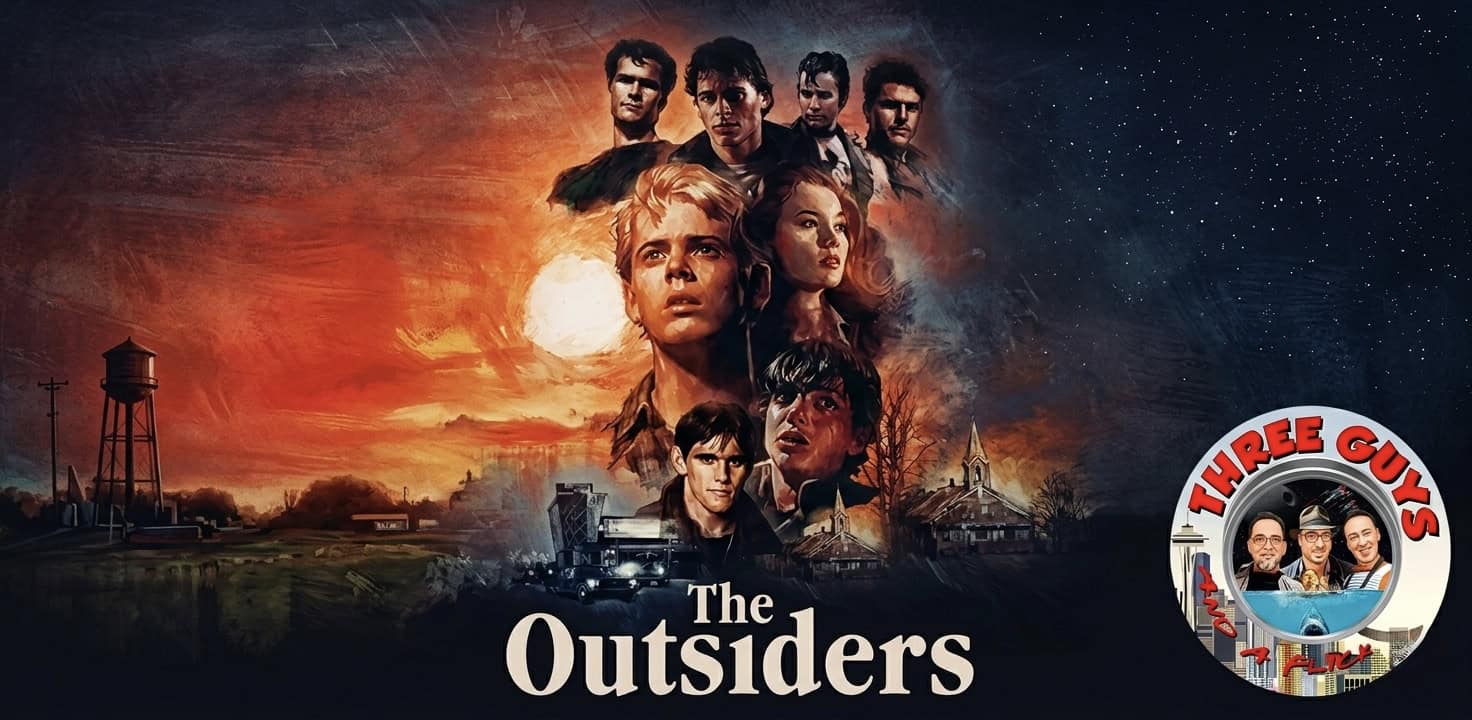
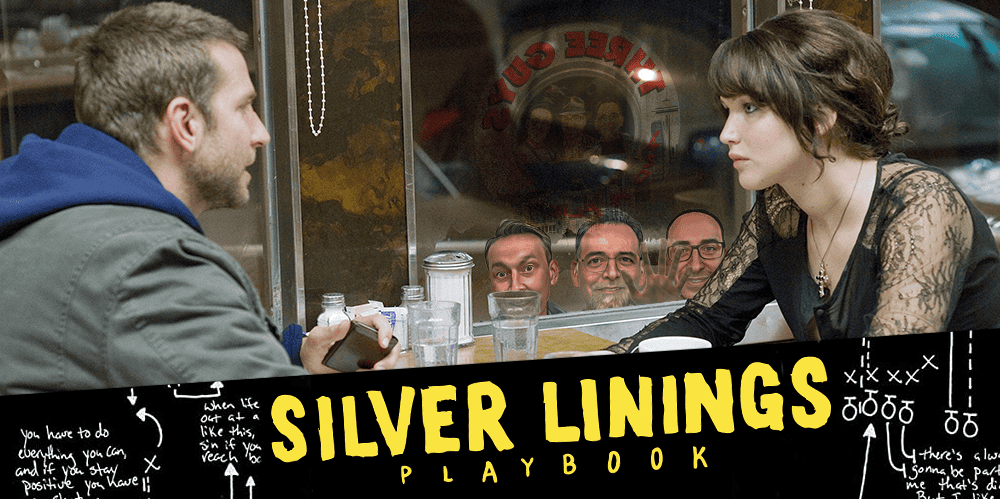
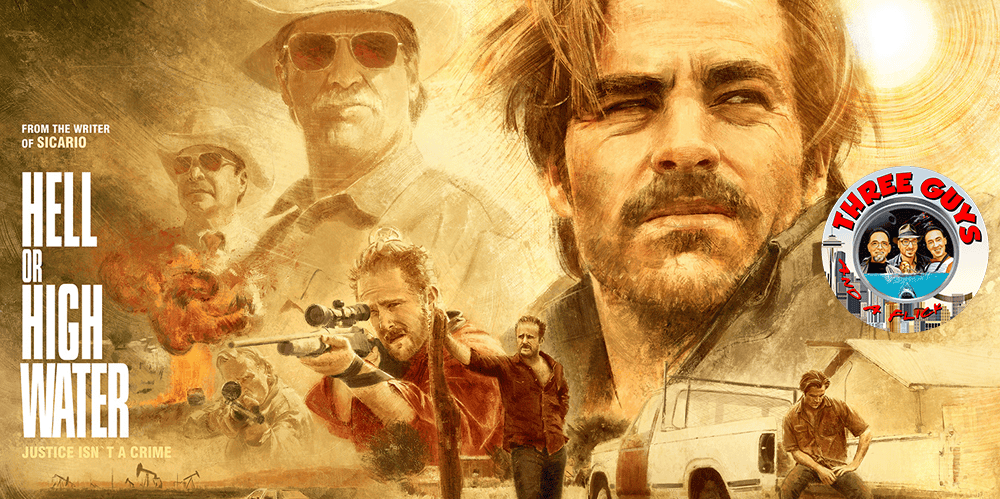
Other movies reviewed by 3 Guys and a Flick that fans of Fried Green Tomatoes tend to love — all rated above 3.5.

Sources Cited
3 Guys and a Flick - Latest Episode
3 Guys and a Flick - Ratings
IMDb - Fried Green Tomatoes
IMDb - Full Cast & Crew
IMDb - Awards
IMDb - Quotes
IMDb - Taglines
IMDb - Soundtrack
IMDb - Filming Locations
IMDb - Trivia
Box Office Mojo - Fried Green Tomatoes
The Numbers - Fried Green Tomatoes
Rotten Tomatoes - Fried Green Tomatoes
Metacritic - Fried Green Tomatoes
Wikipedia - Fried Green Tomatoes
Show notes generated September 16, 2026. Content reflects information available at time of generation.
↑ Return to Top