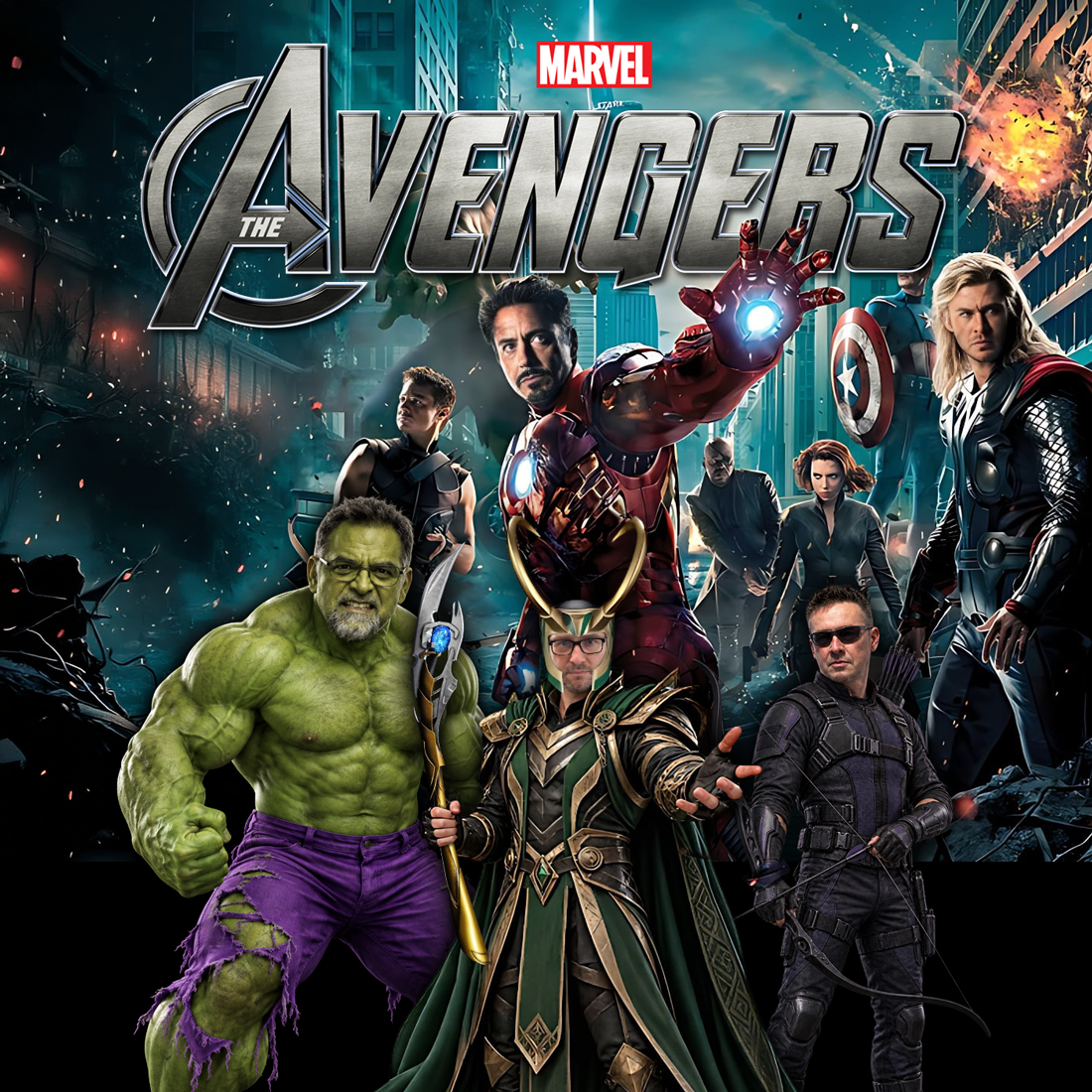
Details
Movie TitleThe Avengers (Marvel's The Avengers)
Release DateApril 11, 2012 (El Capitan Theatre premiere); April 25, 2012 (Australia); May 4, 2012 (USA wide release)
TaglineSome assembly required.
Runtime143 min / 2h 23m
DirectorJoss Whedon
ScreenplayJoss Whedon (screenplay); Zak Penn (story)
Based OnMarvel Comics characters created by Stan Lee, Jack Kirby, Larry Lieber, Don Heck, and others
CinematographerSeamus McGarvey
Country of OriginUnited States
Sequel / FranchiseMCU Phase One — 6th film; followed by Avengers: Age of Ultron (2015), Avengers: Infinity War (2018), and Avengers: Endgame (2019)
Budget$220 million
Box Office$623.4 million domestic / $1.519 billion worldwide — became the third-highest-grossing film of all time upon release and the first superhero film to cross $1 billion globally
Rotten Tomatoes91% Critics / 91% Audience
Metacritic69 / 100 · 8.1 User
IMDb Rating8.0/10
MPAA RatingPG-13 — Intense sequences of sci-fi violence and action throughout, and a mild drug reference
Content WarningsExtensive superhero action violence, alien invasion battle sequences, explosions, mild peril for secondary characters, one brief drug reference, mild language
Where to WatchDisney+ (included with subscription); available for rent/purchase on Prime Video, Apple TV+, Vudu, and other major digital platforms
Main Cast
Robert Downey Jr.Tony Stark / Iron Man
Chris EvansSteve Rogers / Captain America
Chris HemsworthThor Odinson
Mark RuffaloBruce Banner / The Hulk
Scarlett JohanssonNatasha Romanoff / Black Widow
Jeremy RennerClint Barton / Hawkeye
Tom HiddlestonLoki Laufeyson
Samuel L. JacksonNick Fury
Cobie SmuldersMaria Hill
Clark GreggAgent Phil Coulson
Stellan SkarsgårdErik Selvig
Gwyneth PaltrowPepper Potts
Awards
⭐ Academy Awards (Oscars) — Best Visual Effects — Nominated — 2013
⭐ Saturn Awards — Best Science Fiction Film — Won — 2013
⭐ Saturn Awards — Best Director (Joss Whedon) — Nominated — 2013
⭐ Saturn Awards — Best Actor (Robert Downey Jr.) — Nominated — 2013
⭐ People's Choice Awards — Favorite Movie — Won — 2013
⭐ People's Choice Awards — Favorite Action Movie — Won — 2013
⭐ MTV Movie Awards — Best Fight (Hulk vs. Thor) — Won — 2013
⭐ Teen Choice Awards — Choice Movie: Action — Won — 2012
Plot Summary
When the Asgardian trickster Loki arrives on Earth through a portal opened by the energy source known as the Tesseract, he steals the artifact from S.H.I.E.L.D. and uses a mind-controlling scepter to enslave key personnel, including ace marksman Hawkeye, as part of a deal with an alien warlord to deliver the Tesseract in exchange for an army to conquer Earth. Director Nick Fury activates the Avengers Initiative, recruiting Tony Stark (Iron Man), Steve Rogers (Captain America), Thor, and Dr. Bruce Banner — whose alter ego, the Hulk, represents both their greatest weapon and greatest liability. After capturing Loki, the team nearly splinters due to conflicting egos, Loki's manipulative scheming, and the revelation that S.H.I.E.L.D. has been developing weapons from the Tesseract. The death of beloved agent Phil Coulson at Loki's hands finally galvanizes the team, and the Avengers assemble in New York City for a massive battle against Loki's Chitauri alien army pouring through a wormhole above Stark Tower. Iron Man ultimately carries a nuclear weapon through the wormhole to destroy the invasion fleet — barely surviving — and the team succeeds in closing the portal, with Loki captured and the Tesseract secured.
↑ Return to Top
Key Quotes
"Puny god." — The Hulk
"I'm always angry." — Bruce Banner
"That's my secret, Cap. I'm always angry." — Bruce Banner
"I am Loki of Asgard, and I am burdened with glorious purpose." — Loki
"There was an idea, Stark knows this, called the Avengers Initiative. The idea was to bring together a group of remarkable people to see if they could become something more." — Nick Fury
"Hulk... smash." — Steve Rogers / Captain America
Trivia
Director
- Joss Whedon was hired to both rewrite the script and direct; he had previously been known primarily for TV work on Buffy the Vampire Slayer and Firefly, making this his biggest theatrical feature by far.
- Whedon replaced Zak Penn as the primary screenwriter after feeling the original script didn't do enough to build the team dynamic organically through conflict.
- Whedon cited his love of ensemble storytelling — developed through years of TV writing — as central to making the film's large cast feel balanced rather than crowded.
- He insisted on shooting as much practical action as possible, complementing the CGI Hulk and alien sequences with real stunt work and in-camera effects.
- Whedon later described the film's shawarma post-credits scene as his personal favorite moment, saying he pitched it to Marvel after the film was already complete and had to shoot it after the premiere.
Cast / Casting
- Mark Ruffalo became the third actor to play Bruce Banner/Hulk in a major film, following Eric Bana (2003) and Edward Norton (2008); Norton declined to return after reportedly clashing with Marvel over the script.
- Tom Hiddleston originally auditioned to play Thor, not Loki; director Kenneth Branagh saw qualities in him better suited to the villainous role during the Thor casting process.
- Robert Downey Jr. reportedly negotiated a deal that earned him somewhere between $50 million and $75 million for the film — including backend profits — making him by far the highest-paid cast member.
- Gwyneth Paltrow has said she had difficulty keeping track of continuity across the multiple Marvel films she appeared in during the same period of her career.
- Josh Brolin, who was later cast as Thanos, was not yet attached during this production; Thanos appears only briefly in a mid-credits scene with no spoken dialogue.
Soundtrack / Score
- Alan Silvestri composed the film's score, returning to the superhero genre after scoring Captain America: The First Avenger (2011).
- The main Avengers theme — a bold, brass-driven heroic motif — became one of the most recognizable leitmotifs in the MCU and has been used in trailers and promotional material for years afterward.
- Silvestri incorporated individual character themes while weaving them into the larger ensemble sound, a compositional challenge he compared to scoring a small war film.
- The score was recorded at the Sony Scoring Stage in Culver City, California, using a full live orchestra.
- Licensed music is minimal in the film; the most notable non-score cue is Redbone's "Come and Get Your Love," which plays briefly in a background context — though that song is more prominently associated with the MCU via Guardians of the Galaxy (2014).
Location
- Primary filming took place in Albuquerque, New Mexico, at Albuquerque Studios, which stood in for the S.H.I.E.L.D. Helicarrier interior and many other sets.
- The climactic Battle of New York was filmed on location in Cleveland, Ohio — specifically on East 9th Street and Euclid Avenue — which was dressed to resemble Manhattan.
- Some New York City footage, including aerial and street-level shots, was captured on location in midtown Manhattan.
- The Stuttgart, Germany, sequences were filmed on location in England rather than Germany due to logistical and budgetary considerations.
- The NASA Langley Research Center in Hampton, Virginia, served as a visual reference for the design of S.H.I.E.L.D. facilities, though no filming took place there.
Behind-The-Scenes
- The film underwent significant reshoots and editing changes; an early cut reportedly ran over three hours, requiring substantial trimming before the final 143-minute runtime.
- The CGI Hulk's facial performance was modeled on and motion-captured from Mark Ruffalo himself, a first for the character — previous Hulk films used separate actors for the motion capture.
- The famous "Avengers assemble" single-shot rotating camera sequence during the Battle of New York was choreographed over several days and required precise coordination between the stunt team and visual effects artists.
- Marvel Studios president Kevin Feige has credited the film's success as the proof-of-concept moment that convinced Disney — which had acquired Marvel in 2009 — that the MCU's shared universe model could work at a blockbuster scale.
- The post-credits shawarma scene was filmed the day after the film's world premiere because Whedon came up with the idea too late to include it in the original production schedule.
Nostalgia
- The film represents the culmination of Marvel's Phase One, which began with Iron Man in 2008 — a four-year build-up that was unprecedented in Hollywood blockbuster filmmaking at the time.
- For many fans who grew up reading Marvel Comics in the 1960s–1990s, seeing these iconic characters share the screen for the first time was a decades-long dream realized.
- The scene of Captain America giving orders on the streets of New York while sirens wail in the background was widely cited by critics as a perfect crystallization of the character's classic heroic appeal.
- Phil Coulson's death — and his collection of vintage Captain America trading cards — struck a chord with audiences who had followed his character through Iron Man, Thor, and the one-shot films.
- The film's release on May 4th — now commonly celebrated as "Star Wars Day" — added an extra layer of geek-culture significance to the opening weekend.
Easter Eggs
- The mid-credits scene introduces Thanos — smiling at the mention of "courting Death" — a reference to the comics storyline in which Thanos's motivations are literally tied to his love for the personification of Death.
- Tony Stark's reference to "a Ranger," "a Legolas," and "a couple of master assassins" is Whedon's knowing wink at the audience's pop-culture awareness of the tropes being subverted.
- The chessboard seen in Fury's office during the film was later confirmed to contain a subtle nod to the ongoing S.H.I.E.L.D. political maneuvering explored in Captain America: The Winter Soldier (2014).
- Stark's mention of "Galaga" — referencing an agent playing the arcade game on the Helicarrier — was an improvised ad-lib by Robert Downey Jr. that Whedon kept in the final cut.
- The post-credits shawarma scene takes place at a real shawarma restaurant in Hollywood; Whedon deliberately kept the scene wordless to maximize its comedic effect.
Misc.
- The Avengers was released in the United Kingdom and Australia several weeks before its North American debut, making it technically the first MCU film to open internationally before the USA.
- It was the first film to gross $200 million in a single weekend in the United States, and it set the opening weekend record at the time with $207.4 million domestically.
- The film was released in 3D and IMAX 3D; Marvel retrofitted it with 3D in post-production rather than filming natively in stereoscopic 3D.
- In several international markets the film was titled Avengers Assemble to avoid confusion with the 1998 British spy film The Avengers starring Ralph Fiennes and Uma Thurman.
- As of its release it became the highest-grossing superhero film of all time, a record it held until Avengers: Age of Ultron (2015) and later Avengers: Endgame (2019).
Soundtrack
The Avengers (Original Motion Picture Soundtrack) Alan Silvestri · 25 tracks · 1:14:22
1
Entry of the Heroes / Arrival at SHIELD HQ
Alan Silvestri
2:28
2
Tunnel Chase
Alan Silvestri
3:44
3
The Tesseract
Alan Silvestri
2:12
4
Assault
Alan Silvestri
4:00
5
Helicarrier
Alan Silvestri
3:25
6
Stark Goes Green
Alan Silvestri
1:58
7
Subjugation
Alan Silvestri
2:44
8
I Got a Ride
Alan Silvestri
3:16
9
Interrogation
Alan Silvestri
2:26
10
Performance Issues
Alan Silvestri
3:11
11
Telling the Truth
Alan Silvestri
2:00
12
Coulson
Alan Silvestri
1:51
13
They Called It
Alan Silvestri
3:21
14
Seeing What We've Got
Alan Silvestri
2:19
15
The Avengers
Alan Silvestri
3:38
16
I'm Always Angry
Alan Silvestri
3:08
17
Puny God
Alan Silvestri
2:08
18
Galka's Choice
Alan Silvestri
1:48
19
Chitauri Invasion
Alan Silvestri
4:33
20
Rock of Ages
Alan Silvestri
3:50
21
A Little Help
Alan Silvestri
3:11
22
The City Is Flying
Alan Silvestri
3:50
23
I Am Iron Man
Alan Silvestri
2:42
24
The Avengers Unite
Alan Silvestri
3:36
25
A Promise
Alan Silvestri
3:23
If You Liked This, Watch Next
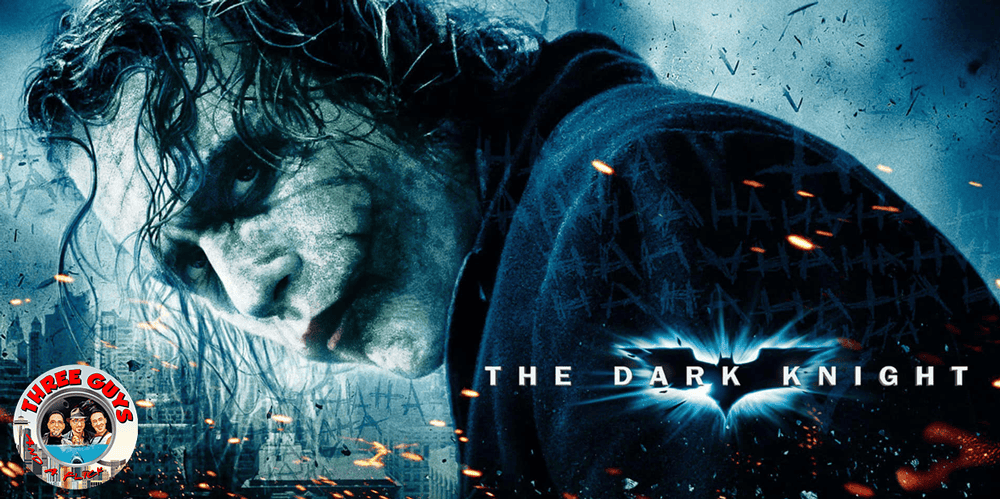
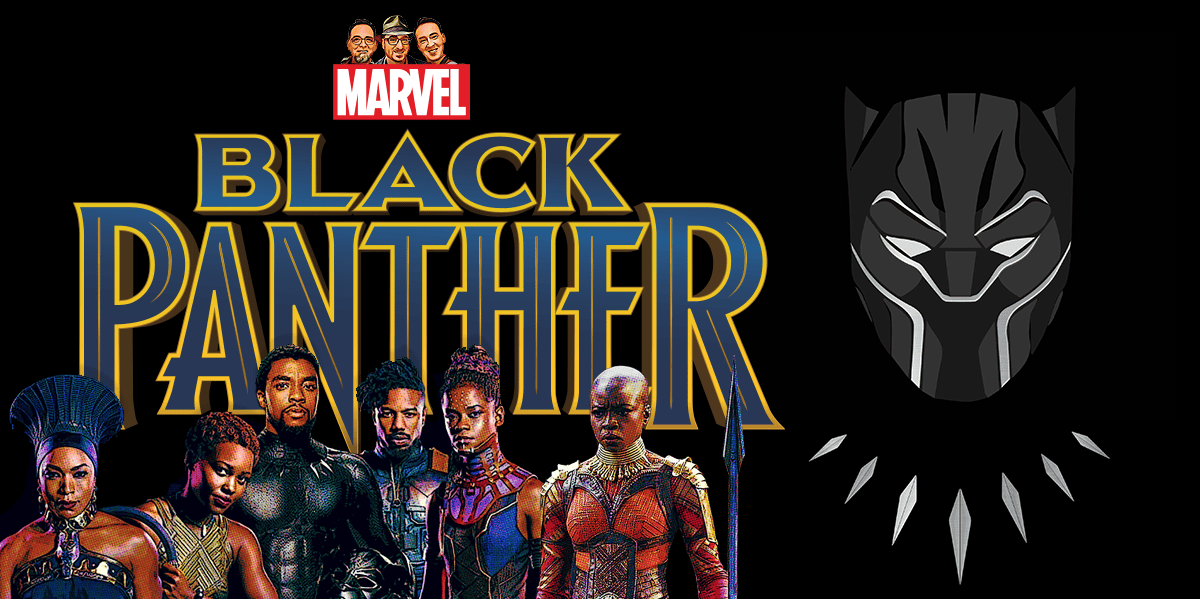
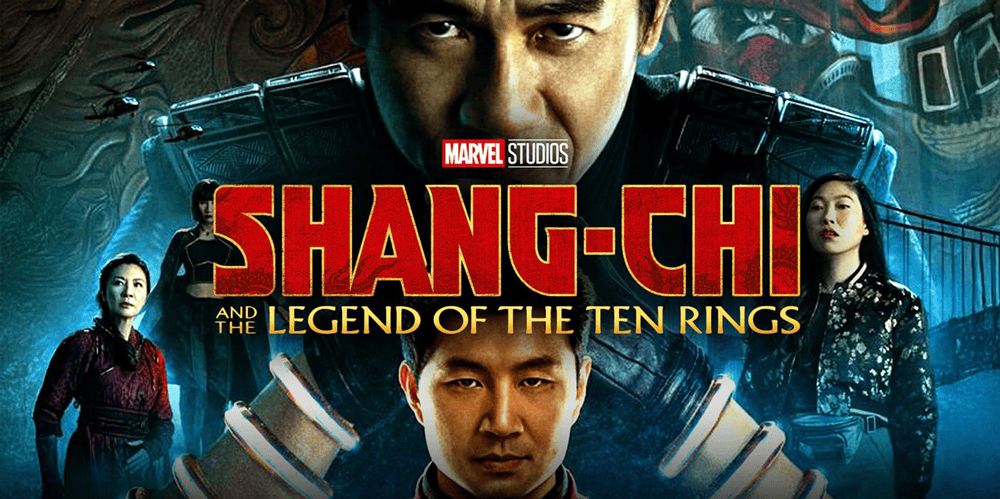
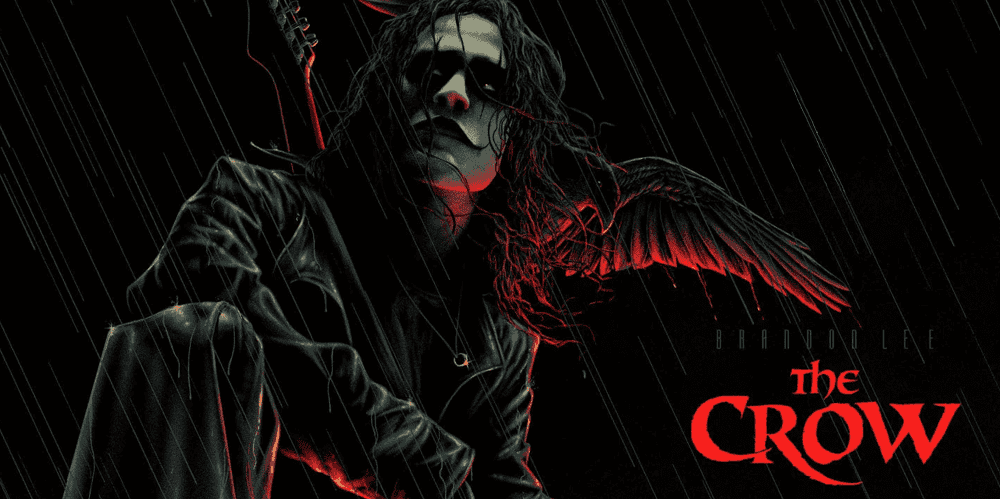
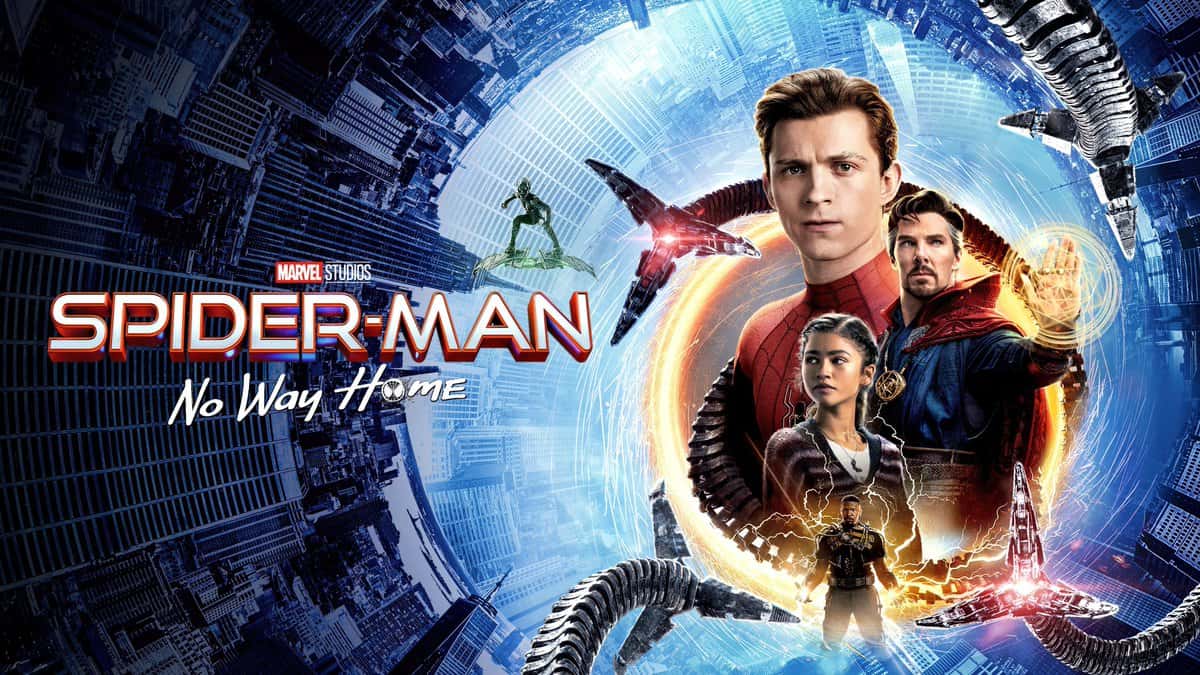
Other movies reviewed by 3 Guys and a Flick that fans of The Avengers tend to love — all rated above 3.5.
Sources Cited
3 Guys and a Flick - Latest Episode
3 Guys and a Flick - Ratings
IMDb - The Avengers
IMDb - Full Cast & Crew
IMDb - Awards
IMDb - Quotes
IMDb - Taglines
IMDb - Soundtrack
IMDb - Filming Locations
IMDb - Trivia
Box Office Mojo - The Avengers
The Numbers - The Avengers
Rotten Tomatoes - The Avengers
Metacritic - The Avengers
Wikipedia - The Avengers
Show notes generated November 4, 2026. Content reflects information available at time of generation.
↑ Return to Top